
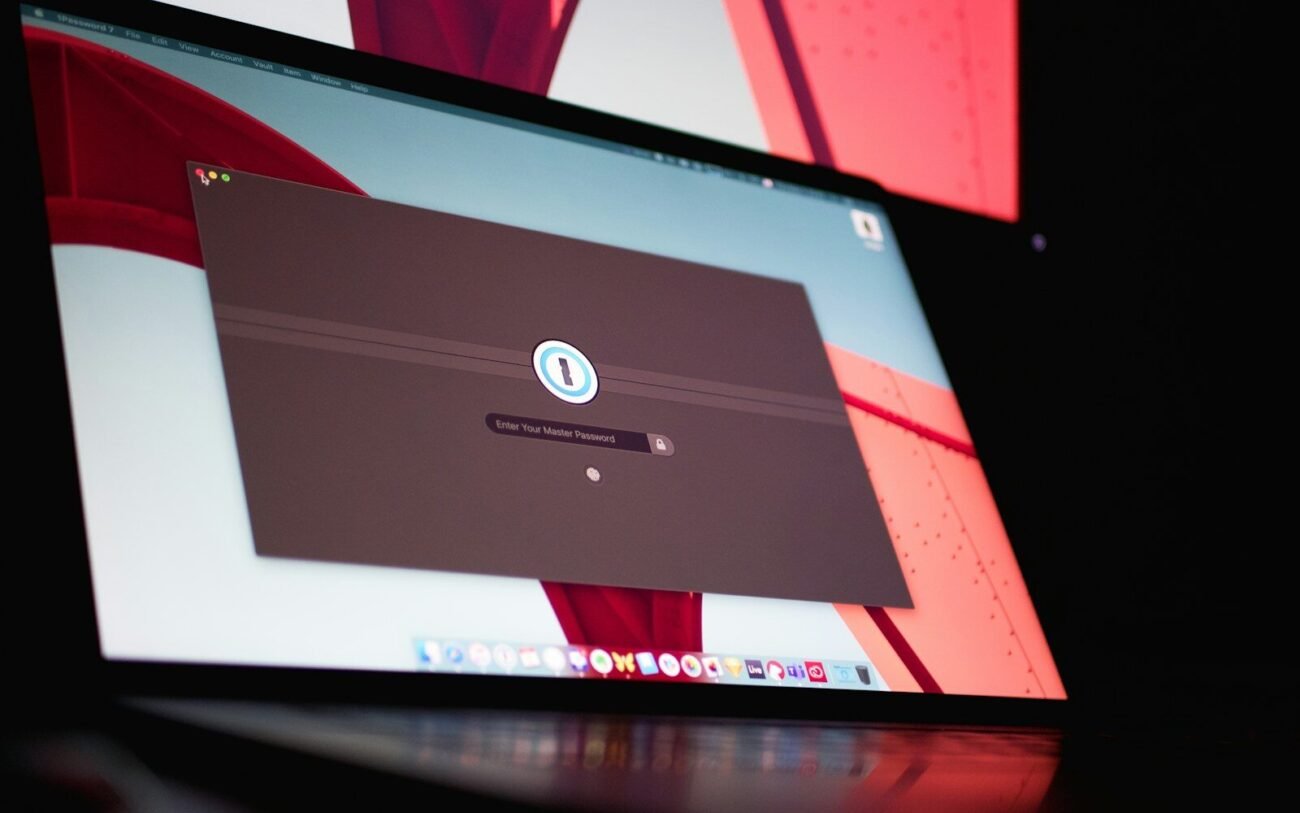
With the explosive growth of remote work, employees are logging into more applications, online portals, and cloud services than ever before. Managing credentials across a range of devices and networks creates new security challenges, putting sensitive personal and business data at risk. This is where password managers have become an essential tool. They help streamline daily tasks, bolster account security, and help remote workers securely manage their digital lives.
The Rise of Remote Work and Digital Vulnerabilities
As businesses shifted to remote work environments, reliance on cloud-based productivity tools and platforms soared. Whether collaborating through project management systems, accessing shared drives, or using company VPNs, employees today juggle dozens of unique usernames and passwords. Unfortunately, this surge in digital access has also opened new doors for cybercriminals.
Using weak, reused, or easy-to-guess passwords puts organizations at significant risk. Hackers capitalize on this by launching phishing attacks, credential stuffing, and brute-force attacks. In a distributed workforce, IT teams can no longer physically oversee security practices, making employees the first—and sometimes only—line of defense. This highlights why password managers have become indispensable for anyone working remotely.
How Password Managers Improve Remote Work Security
Unique, Strong Passwords for Every Account
One of the primary functions of a password manager is to generate and store complex, unique passwords for each account. Without a secure tool, it’s impossible to remember dozens of strong credentials, leading remote workers to fall back on risky habits—using the same password everywhere or keeping passwords in unsafe locations.
Password managers help remote workers by automatically generating robust, random passwords that are nearly impossible to crack. This drastically reduces the chances of multiple accounts being compromised in the event of a single breach.
Secure Storage and Easy Access
Keeping passwords on sticky notes, spreadsheets, or unsecured files is a recipe for disaster—especially outside the office environment. A password manager encrypts and protects all of a user’s credentials in one secure vault. Access is granted using a single, master password, and in many cases, can be further protected with multi-factor authentication.
For remote workers, having credentials securely accessible on any authorized device (laptop, tablet, or smartphone) means they can log in safely and efficiently from home, coworking spaces, or while traveling.
Streamlined Collaboration and Secure Sharing
Remote work frequently involves sharing access to certain accounts—like social media, cloud storage, or SaaS tools—within teams. Password managers offer features that allow secure sharing of login credentials without revealing the actual password. Team members can access the account as needed, while sensitive details stay confidential and policies remain enforced.
Time-Saving and Productivity Benefits
Faster Logins and Reduced Friction
Remote workers juggle a host of login screens every day. Password managers autofill credentials on websites and apps, significantly speeding up access. This efficiency not only saves precious minutes but also reduces the frustration that can arise when trying to remember or recover forgotten passwords.
Reducing Password-Related IT Support
Forgotten passwords are one of the most common help desk requests. For remote companies, resolving these issues can be time-consuming and disrupt employee productivity. With all credentials securely stored and accessible, password managers greatly reduce the frequency of password-reset requests, freeing up IT resources for more critical tasks.
Encouraging Better Security Practices Company-Wide
Organizations that encourage or mandate the use of password managers benefit from an overall improvement in security culture. Employees are less likely to take shortcuts, such as reusing passwords across multiple applications. Many password management tools also provide security audits, alerting users to weak or outdated credentials and prompting regular updates.
By making it easier to maintain strong, unique passwords across all accounts, password managers play a critical role in minimizing risk for distributed teams.
Choosing the Right Password Manager for Remote Teams
Selecting a password management solution requires balancing security, usability, and administrative features. Key considerations include:
– End-to-end encryption of stored credentials
– Support for multi-factor authentication
– Cross-device and cross-platform compatibility
– Secure sharing options for teams
– Access recovery and audit trail capabilities
It’s also crucial to provide training and support to help employees integrate password managers smoothly into their daily workflows.
While adapting to remote work presents a host of new security challenges, the right password manager can empower teams to work efficiently and securely. By combining strong credential management with ease of use, these tools have become indispensable for anyone navigating the modern, distributed workplace.