
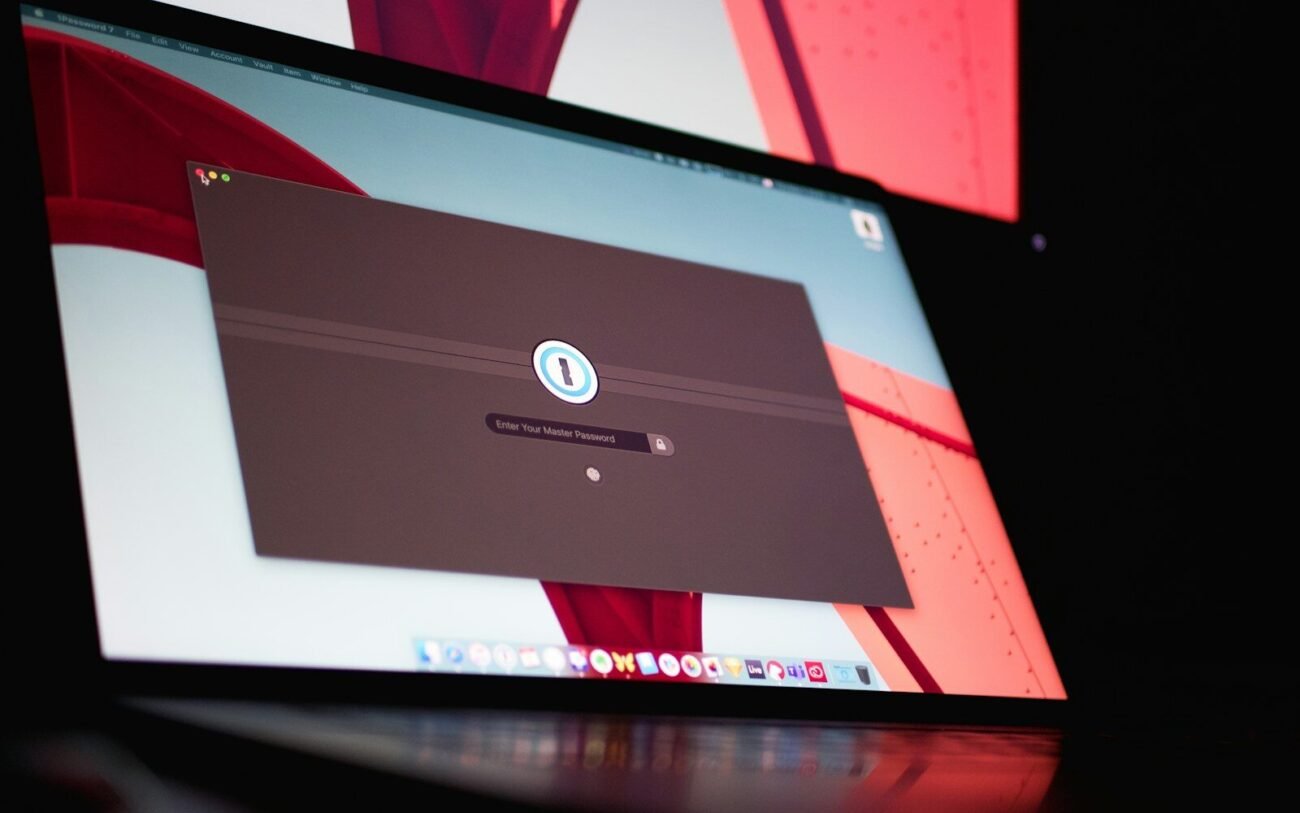
In our increasingly digital world, strong online security is essential. With countless websites and apps requiring login credentials, many people struggle to create and remember unique, complex passwords for each account. This is where password managers step in, providing a convenient and secure way to store and manage all your digital keys. But what exactly is a password manager, and why should it be an essential part of your online life?
Understanding Password Managers
A password manager is a specialized software tool designed to help users generate, store, and manage their passwords in a secure, encrypted environment. Instead of using the same simple password for every site—or worse, writing them down on paper—password managers allow you to protect your online accounts with robust, unique credentials for each login.
These tools typically require you to remember just one strong master password. Once you’ve unlocked your password manager, the tool can automatically fill in login details as you browse, sync your passwords across devices, and even alert you if any of your stored passwords are weak or compromised in data breaches.
How Password Managers Work
Password managers encrypt your credentials in a secure vault, which can be accessed only with your master password. This master password is the key to all your other passwords, so it must be exceptionally strong and memorable. Many popular password managers also support biometric authentication, such as fingerprint or facial recognition, adding extra layers of security and convenience.
Some password managers are standalone applications, while others are built into web browsers or available as browser extensions. They often offer features like secure password generation, automatic form-filling, password sharing, and security auditing to help you maintain better digital hygiene.
The Critical Benefits of Password Managers
Enhanced Security
One of the main benefits of using a password manager is the boost in security. The tool encourages users to create unique, complex passwords for every account, reducing the risk that a single leaked password could result in widespread account compromises.
Additionally, many password managers monitor databases of known breaches and notify users if any of their stored passwords have been exposed. This proactive security feature allows you to quickly change compromised credentials and stay a step ahead of hackers.
Convenience and Time-Saving
Storing all passwords in one secure place means you’ll never need to reset forgotten passwords repeatedly or scramble to remember which combination of letters and symbols you used for a particular site. With autofill features, logging into your accounts becomes effortless—saving precious time and minimizing frustration.
Cross-Platform Access
Modern password managers often offer syncing across devices, making it possible to access your credentials from your phone, tablet, or computer. Whether you’re logging in from work, home, or on the go, your critical information goes wherever you do, always protected and available.
Improved Organization
Aside from passwords, many managers can store sensitive information like credit card details, secure notes, or identity documents. This consolidated approach provides peace of mind, knowing that your most important credentials and data are safely stored and organized.
Common Myths About Password Managers
Despite their benefits, password managers sometimes face skepticism:
– “If a password manager is hacked, won’t I lose everything?”
Reputable password managers use advanced encryption, primarily “zero-knowledge” architecture, meaning even the provider cannot access your data. While no system is entirely foolproof, using a manager is significantly safer than reusing or writing down passwords.
– “A browser’s password manager is enough.”
Although browsers offer basic password storage, they often lack robust security or advanced features—such as password breach alerts and secure sharing—found in standalone password managers.
Choosing the Right Password Manager
When selecting a password manager, consider features like strong encryption, multi-factor authentication options, user-friendly design, and cross-platform compatibility. Popular options include LastPass, 1Password, Dashlane, and Bitwarden, each with their strengths.
Reading user reviews, understanding each tool’s privacy policies, and exploring free trials can help you decide which is the best fit for your security needs.
Why You Should Start Using a Password Manager Today
The sheer volume of digital accounts most people maintain makes managing unique, strong passwords impossible without help. With cyberattacks, phishing, and data breaches on the rise, protecting your online identity is more important than ever. Adopting a password manager is a simple yet effective way to fortify your digital life, streamline access to your accounts, and give you peace of mind. By taking this proactive step, you significantly reduce your risk and make your online experiences more secure and convenient.