
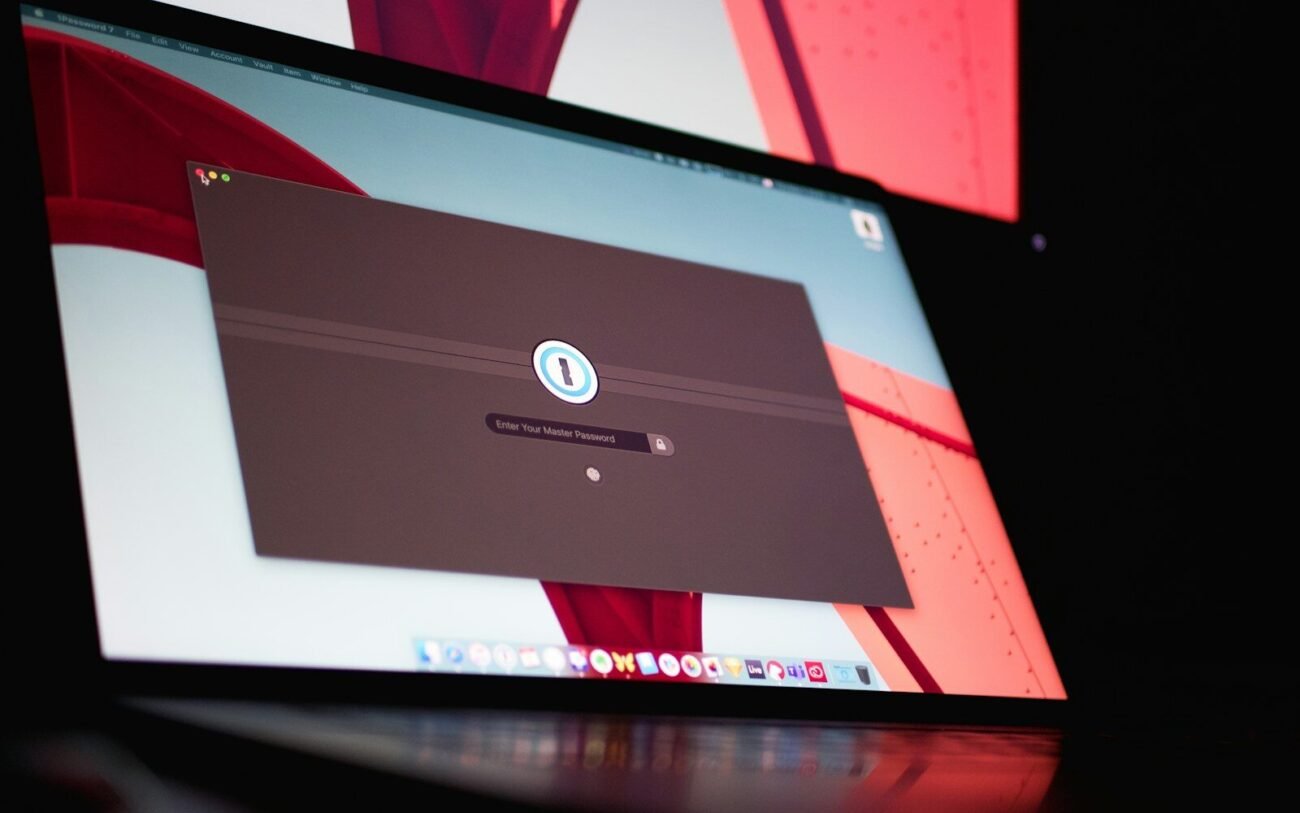
In today’s digital world, protecting your online accounts is more important than ever. With cyber threats and data breaches making headlines, relying solely on traditional password practices is no longer sufficient. This is where password managers and multi-factor authentication come into play—two powerful tools that help keep your online presence secure by ensuring your accounts are protected against unauthorized access.
Why Strong Password Habits Matter
Weak or reused passwords are among the leading causes of compromised accounts. Many users fall into the trap of choosing easy-to-remember combinations or reusing the same password across multiple sites. Unfortunately, this habit creates a significant security loophole. If one site is breached, attackers can easily access any other accounts that share the same password.
A robust password strategy relies on two essential elements: creating unique, complex passwords for each account, and storing them securely. This is where password managers shine.
How Password Managers Work
Password managers are specialized applications designed to streamline the process of generating, storing, and autofilling complex passwords. Rather than relying on memory or insecure notes, you can save all your login details in a secure, encrypted vault accessible by a master password.
These tools offer several advantages:
– Strong password generation: Most password managers can create random, highly secure passwords that are difficult for cybercriminals to crack.
– Cross-device synchronization: Your credentials can be securely accessed from different devices, saving you the hassle of memorizing or transferring sensitive information.
– Autofill capabilities: Password managers can automatically fill in login forms, reducing the risk of entering details on phishing sites.
– Security alerts: Many password managers notify you if your passwords are weak, reused, or exposed in a data breach.
With password managers, you only need to remember one strong master password, drastically reducing the cognitive load and eliminating the temptation to reuse passwords.
The Role of Multi-Factor Authentication
While password managers significantly increase account security, passwords can still be compromised through phishing attacks or other means. This is why multi-factor authentication (MFA) is highly recommended for an extra layer of protection.
MFA requires users to provide two or more proofs of identity before gaining access to an account. The most common factors include:
– Something you know: A password or PIN.
– Something you have: A smartphone, hardware token, or authentication app.
– Something you are: Biometrics like a fingerprint or facial recognition.
Even if a malicious actor acquires your password, they would still need the second form of authentication to access your account. This dramatically reduces the likelihood of unauthorized access, especially in the event of password theft.
Combining Password Managers and MFA for Maximum Security
Together, password managers and multi-factor authentication form a powerful defense against modern cyber threats. Password managers help you generate and store complex, unique passwords for every account. Meanwhile, MFA acts as a safety net, ensuring that even if your password falls into the wrong hands, your data remains inaccessible without the second authentication factor.
For example, you could use a password manager to generate a random 20-character password for your email account and enable MFA using an authenticator app or a hardware security key. This combination makes it nearly impossible for attackers to compromise your account by attacking a single point of failure.
Best Practices for Users
To make the most of these tools, consider the following best practices:
– Always use a reputable password manager with a strong reputation for security.
– Enable MFA wherever possible, especially for sensitive accounts such as banking, email, and social media.
– Update your master password regularly and ensure it’s complex and unique.
– Back up recovery codes for your MFA systems in a secure location.
– Stay informed about security alerts from your password manager or authentication apps.
Final Thoughts on Enhancing Online Security
Incorporating password managers and multi-factor authentication into your digital life is one of the smartest moves you can make to safeguard your personal data. Not only do these tools streamline your online experience, but they also offer robust protection against growing cybersecurity threats. By adopting these technologies and following best security practices, you can significantly reduce your risk and keep your accounts safe in an increasingly connected world.