
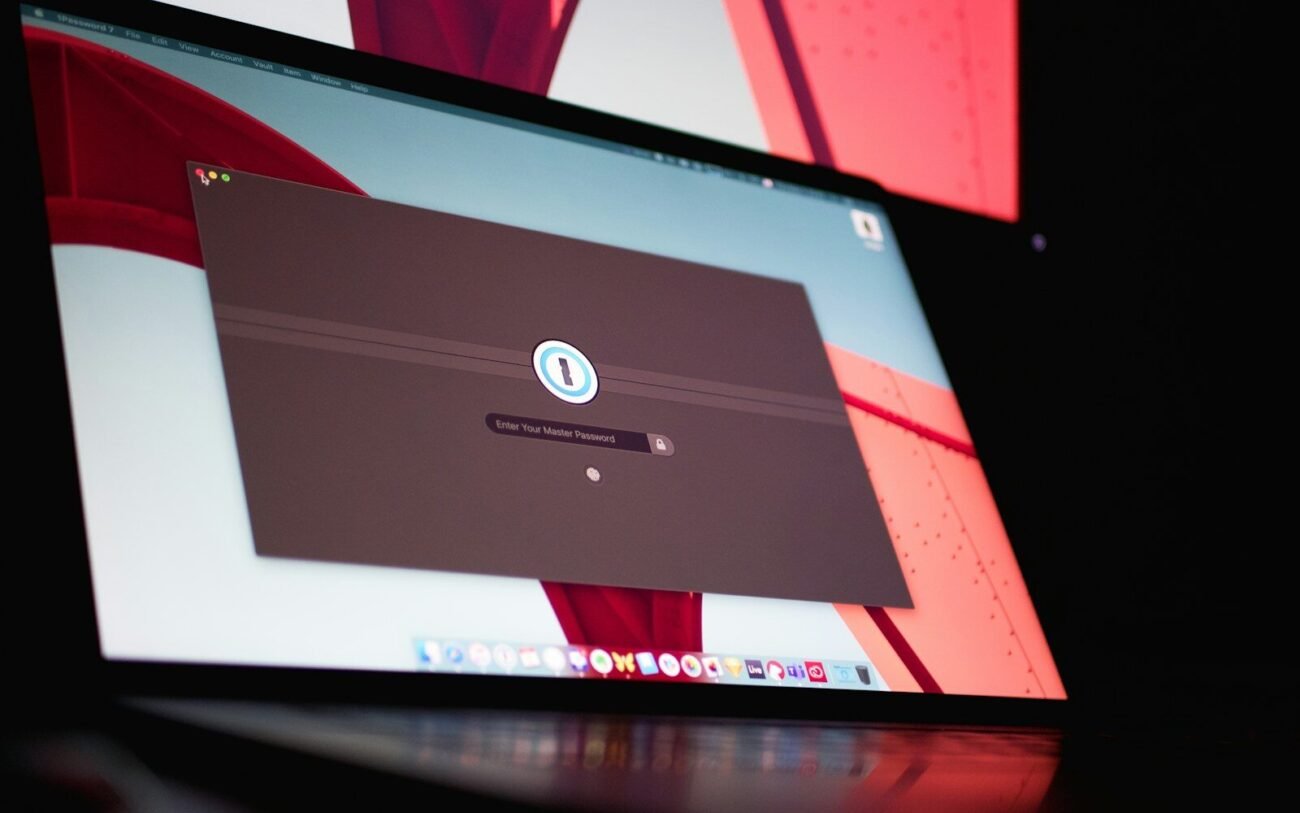
In today’s connected world, personal data is more vulnerable than ever. From email accounts to online banking and social media, a single weak password can open the door to a wide range of cyber threats. Amid a rapidly evolving digital landscape, password managers have emerged as an essential tool, providing a strong foundation for personal security.
Why Password Security Matters
As individuals continue to expand their digital footprint, the risks associated with using simple or reused passwords become more pronounced. Cybercriminals employ sophisticated methods, such as brute-force attacks and phishing schemes, to gain access to sensitive information. Once one account is compromised, attackers often try the same credentials elsewhere, a tactic known as “credential stuffing.”
This makes it critical to use unique, strong passwords for every account. However, memorizing dozens of complex credentials is nearly impossible. That’s where password managers step in, simplifying the task of securing personal data without sacrificing convenience.
What Are Password Managers?
A password manager is a software application designed to store and manage online credentials in an encrypted vault. Users only need to remember one strong master password to access all other stored logins. Once credentials are stored, the program can automatically fill in login forms, saving time and reducing the likelihood of falling for phishing attempts.
Modern password managers also generate complex, unique passwords for every website or app, significantly lowering the risk of a successful cyberattack. Many services offer additional features, such as secure note storage and two-factor authentication (2FA) integration, further strengthening the user’s security posture.
The Role of Password Managers in Enhancing Personal Security
Eliminating Weak and Reused Passwords
One of the most significant benefits of using a password manager is the elimination of weak or repeated passwords. Since the software can remember and auto-fill credentials, users are encouraged to create complex, randomized passwords that are far more resistant to guessing or cracking.
Protecting Against Phishing Attacks
Phishing attempts remain a leading threat for individuals. Password managers help defend against these attacks by only auto-filling credentials on legitimate websites, alerting users if something seems suspicious. If a website’s URL doesn’t match the one stored in the manager, it won’t autofill the login, signaling a potential scam.
Convenient and Secure Password Sharing
Sometimes it’s necessary to share access to accounts with trusted individuals, whether for family-use streaming services or collaborative work tools. Many password managers feature secure sharing options, allowing users to provide access without exposing underlying passwords.
Bolstering Two-Factor Authentication
Leading password managers often support 2FA, adding another layer of security. By integrating time-based authentication tokens within the platform, users gain seamless access to 2FA-protected accounts without having to juggle separate apps.
Choosing the Right Password Manager
The market offers a variety of password manager solutions, ranging from free to premium services. When choosing, consider the following:
– Encryption strength: Top password managers use military-grade encryption (such as AES-256) to protect your data.
– Cross-device compatibility: Look for solutions that sync across all your devices, ensuring you always have access to your credentials.
– User-friendly interface: An intuitive design ensures you’ll actually use the platform.
– Security history: Research the track record of any provider, including transparency reports and breach history.
Popular choices include Dashlane, LastPass, 1Password, and Bitwarden, each offering unique features but all focusing on strengthening personal security.
Cultivating Better Security Habits
While password managers are an excellent foundation for safeguarding your digital life, they’re most effective when supported by strong personal security habits. Regularly updating passwords, staying informed about the latest security threats, and enabling multi-factor authentication wherever possible all contribute to a more robust defense against cybercrime.
Building your security strategy around a reputable password manager not only shields your sensitive information but also instills confidence as you navigate the digital world. By taking proactive steps today, you lay the groundwork for a safer, more secure tomorrow.