
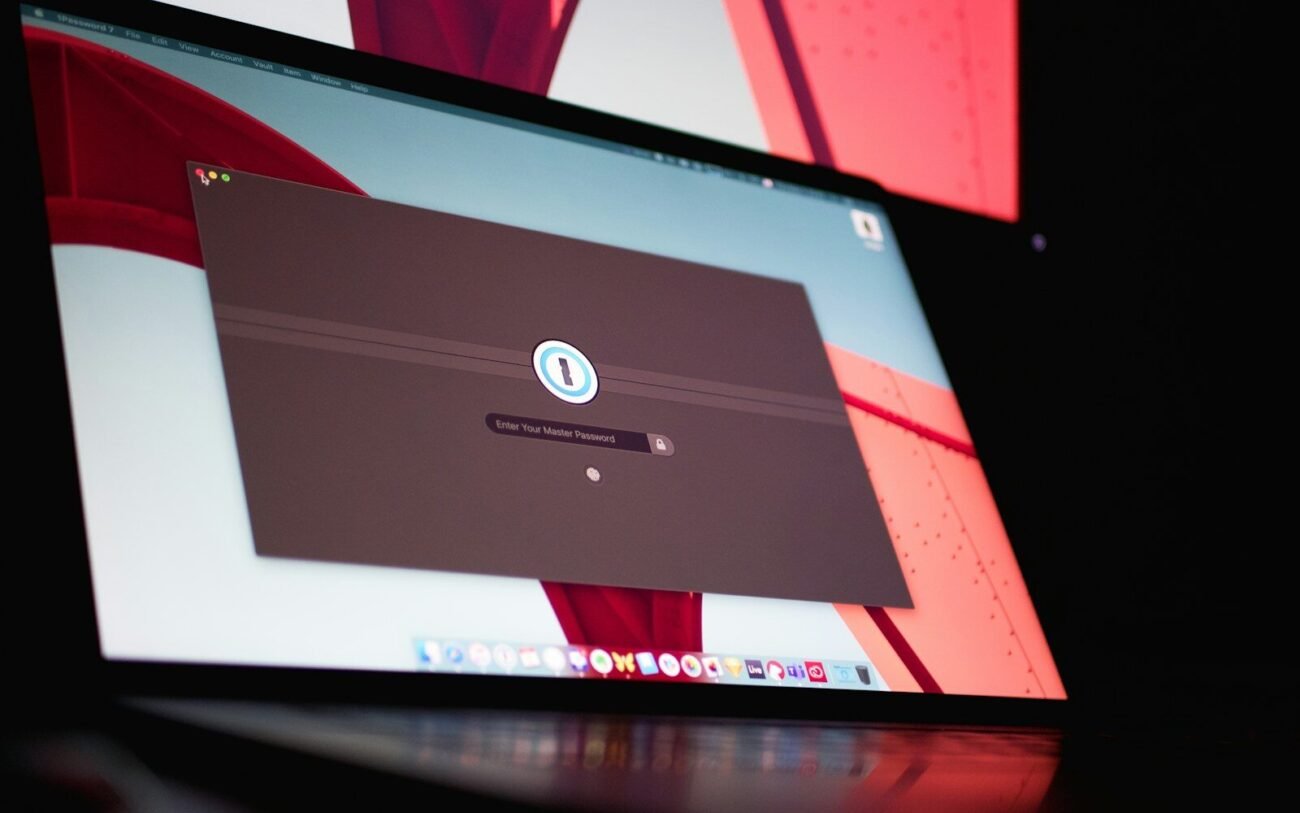
In today’s digital world, where cyber-attacks are a daily threat and data breaches make headlines, securing your online accounts has never been more important. Keeping track of dozens of complex passwords is a daunting task, which is why IT security experts are increasingly recommending the use of password managers. These tools are designed to help users create, store, and manage strong, unique passwords for each of their accounts, significantly reducing the risk of unauthorized access.
The Growing Need for Better Password Security
With the proliferation of online services, individuals now maintain more accounts than ever before. Social media, banking, shopping, and professional platforms all require logins, and unfortunately, password fatigue is all too common. Many people fall into the trap of reusing passwords or creating easy-to-guess combinations, which leaves them vulnerable to cybercriminals.
IT security specialists highlight that weak password habits are a primary entry point for data breaches. Password reuse across multiple sites means that if one account is compromised, others are put at risk. A password manager helps prevent such scenarios by enabling users to maintain robust, unique passwords for every account without relying on memory alone.
How Password Managers Work
Password managers function as secure digital vaults. They store all your passwords in an encrypted database, locked behind a single strong master password. Instead of remembering dozens of complex credentials, users only need to recall one key password. When logging into a website or app, the manager automatically fills in your credentials, streamlining the login process while maintaining top-notch security.
Most reputable password managers also offer features such as password generation, security auditing, and multi-device synchronization, making them powerful allies in the fight against cyber threats.
Benefits Highlighted by Security Professionals
Creation of Strong, Unique Passwords
One of the primary reasons IT security experts champion password managers is their ability to generate and store passwords that are resistant to brute-force attacks. These randomly-created strings of characters are virtually impossible to guess, and with a password manager, every account can have its own strong credential.
Protection Against Phishing
Phishing attacks, where users are tricked into entering credentials on fake websites, are a persistent threat. Password managers verify the URL before auto-filling credentials, making it much harder for users to accidentally hand over sensitive information to fraudulent sites.
Secure Sharing When Necessary
Sometimes sharing access to accounts is unavoidable, especially in business settings. Many password managers offer secure sharing features that allow users to grant access to specific credentials without actually revealing the passwords. This controlled access is far safer than sharing passwords by email or text.
Addressing Common Concerns About Password Managers
Despite strong endorsements from security professionals, some individuals are hesitant to trust their credentials to a single service. A common misconception is that using a password manager creates “a single point of failure.” However, modern password managers employ robust encryption protocols. Even if their servers are breached, the encrypted data is inaccessible without the master password, which is never transmitted or stored.
Additionally, many password managers support two-factor authentication (2FA), adding another layer of protection. Security experts point out that this combination of strong encryption and 2FA is more secure than virtually any manual password management technique.
Choosing the Right Password Manager
Not all password managers are created equal. Experts recommend looking for solutions that offer end-to-end encryption, regular security updates, and a transparent privacy policy. It’s also important to choose a password manager that is compatible with your devices and browsers, and that has a proven track record of responding swiftly to security vulnerabilities.
Open-source options allow the community to inspect the code, adding transparency and trust, while proprietary managers often deliver additional convenience features. Depending on personal preferences and needs, both types can provide effective protection.
Embracing Password Managers for a Secure Digital Life
The consensus among IT security experts is clear: password managers are an essential tool for anyone looking to improve their online security. Far more than a convenience, these tools are a critical defense mechanism against the modern threats associated with weak or reused passwords.
By adopting a password manager, you’ll dramatically reduce the odds of falling victim to cyber-attacks, ensuring that your personal and professional information remains safe in an increasingly connected world.