
In today’s digital world, passwords are the first line of defense protecting our sensitive information, from financial data to personal communications. Yet, despite widespread awareness of internet risks, many people continue to reuse passwords across multiple accounts for convenience. While this might seem like a harmless way to keep track of login credentials, the reality is that reusing passwords can have dangerous and far-reaching consequences for both individuals and organizations.
The Dangers of Password Reuse
Password reuse occurs when a person uses the same password for more than one website or service. This practice may make life simpler, but it also makes life significantly easier for cybercriminals.
The Concept of Credential Stuffing
When an online platform experiences a data breach, stolen credentials—including usernames and passwords—often end up on the dark web. Cybercriminals exploit these leaked details by trying the stolen passwords on other popular sites, a technique known as credential stuffing. If someone has reused their passwords across multiple sites, hackers can easily access all those accounts. This domino effect means that a single compromise can escalate into widespread identity theft, financial loss, or even unauthorized use of business systems.
Real-World Examples
There have been numerous high-profile cases where reused passwords have led to significant harm. In 2012, the LinkedIn breach resulted in millions of email and password combinations being exposed. Shortly thereafter, many people found their Twitter, Dropbox, or even bank accounts compromised—simply because they had reused their LinkedIn password elsewhere. Cybercriminals rely on the reality that many users don’t change their passwords often or create unique credentials for every site.
Why Unique Passwords Matter
A strong, unique password for every online account acts as a distinct barrier. When you use different passwords, even if one gets compromised in a breach, your other accounts remain secure. Relying on a single password for multiple accounts effectively removes this barrier, undermining your overall security posture.
Increased Potential for Targeted Attacks
When attackers gain access to one account, they look for clues about your identity and habits, which helps them craft targeted phishing emails or scams. A unique password for each service prevents attackers from using one compromised credential to escalate their intrusions. Furthermore, if a hacker obtains a reused password that works across email, social media, and financial platforms, they can rapidly assemble a detailed profile—or worse, drain your accounts.
The Impact on Workplace Security
Password reuse isn’t just a personal risk; it’s a liability for organizations as well. Employees often use the same passwords for both work and personal accounts. Once a single password is compromised through a less-secure website, enterprise systems may also be at risk. This is one of the leading causes of business data breaches and subsequent financial losses.
Best Practices to Prevent Password Reuse
Taking a few extra steps can dramatically lower your risk and protect your digital life.
Use a Password Manager
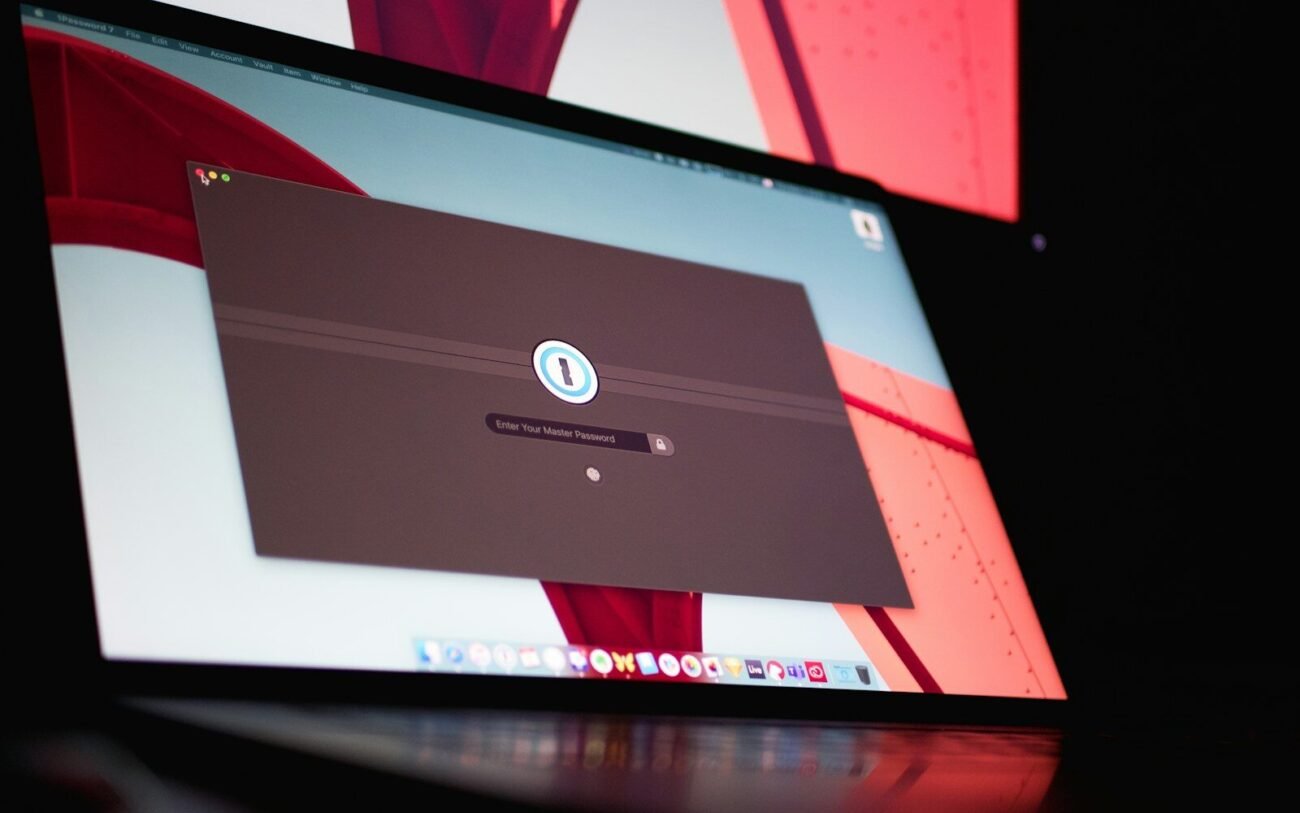
One of the simplest solutions is to use a password manager. These tools generate, store, and autofill complex, unique passwords for every site you use. All you need to remember is one strong master password, and the manager handles the rest. This reduces the temptation to reuse passwords and helps you create much stronger credentials than you might come up with on your own.
Enable Two-Factor Authentication
Two-factor authentication (2FA) adds an extra layer of security, requiring something you know (your password) and something you have (a phone or authentication app) to access your accounts. Even if a password is compromised, 2FA dramatically reduces the possibility of unauthorized access.
Stay Informed About Security Breaches
Regularly checking if your email addresses or passwords have appeared in known data breaches—using services like Have I Been Pwned—can help you react quickly. Changing passwords immediately after a breach limits damage and prevents criminals from leveraging your information elsewhere.
Building Better Habits for Digital Security
Ultimately, maintaining unique passwords across all your accounts is essential in defending against cybercrime. The rise of credential stuffing attacks, combined with frequent data breaches, makes reusing passwords one of the riskiest cyber habits. By adopting tools like password managers and 2FA, you strengthen your digital defenses.
Awareness and proactive action are your best allies. Taking steps now can spare you considerable headaches—and potential losses—in the future. Breaking the habit of password reuse isn’t just smart; it’s vital for keeping your online identity secure in an increasingly interconnected world.