
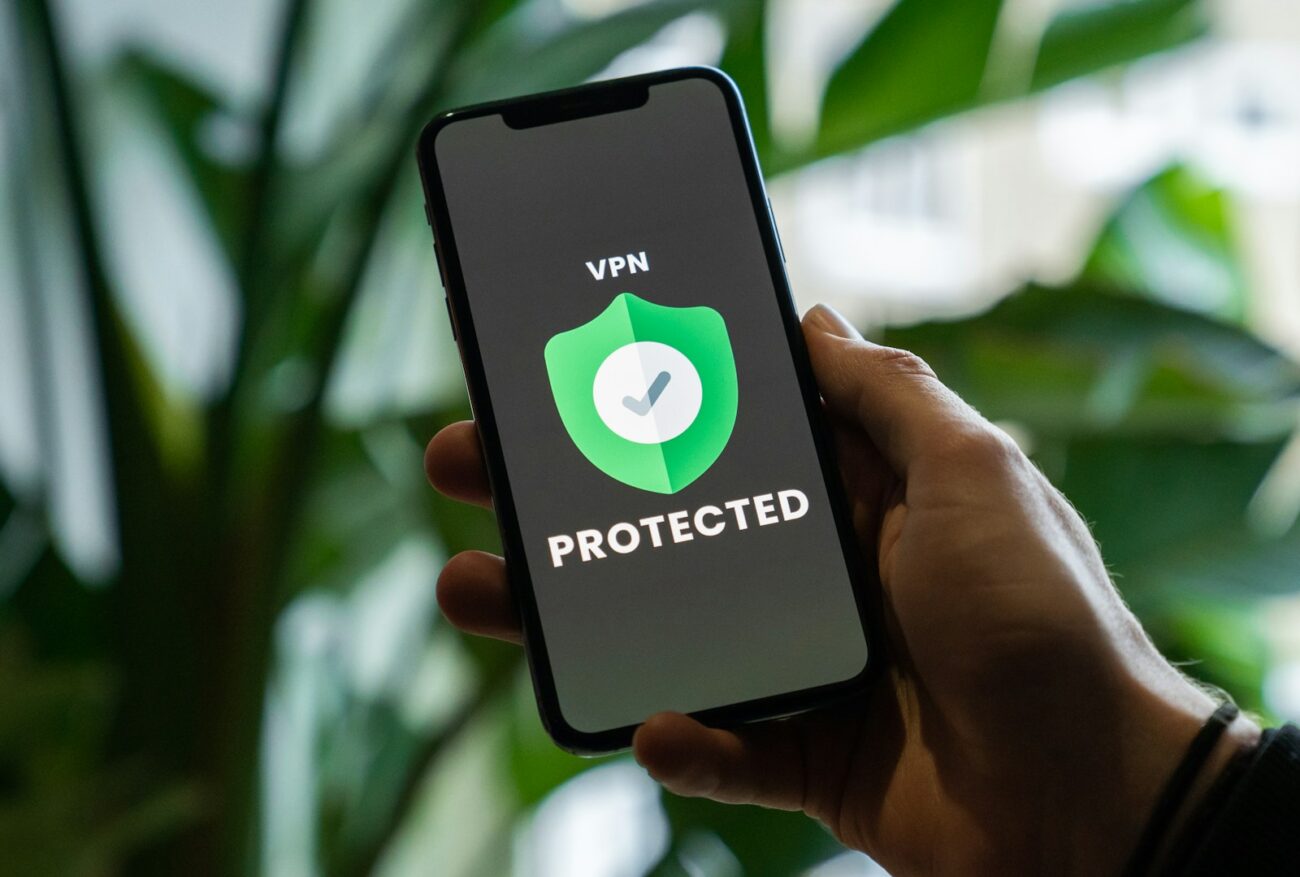
ProtonVPN and GDPR: Ensuring User Privacy Across Europe
ProtonVPN and GDPR represent a powerful intersection of online privacy and regulatory compliance in today’s fast-evolving digital landscape. As cyber threats and personal data risks increase, European users increasingly seek services that not only protect their traffic but also uphold the highest privacy standards set by the General Data Protection Regulation (GDPR). Understanding how ProtonVPN aligns its operations with GDPR is crucial for anyone concerned about secure browsing and personal data protection within Europe.

The Importance of GDPR for European Internet Users
The General Data Protection Regulation, or GDPR, is a landmark law enacted by the European Union to bolster personal data protection and restore control to individuals. Among its wide-reaching provisions, GDPR mandates strict requirements for any company handling EU residents’ data: individuals deserve transparent information about how their data is processed, rights to access or delete that data, and security that ensures their data isn’t exposed or misused.
Because VPN services can potentially process much of a user’s online activity, selecting a VPN that strictly adheres to GDPR principles is essential for European privacy.
ProtonVPN’s Commitment to GDPR Compliance
ProtonVPN, developed by the same team behind ProtonMail, was founded with privacy at its core. The company is based in Switzerland, which, while outside the EU, features robust data protection legislation and is recognized by the European Commission as offering adequate data protection. This legal jurisdiction ensures ProtonVPN can operate free from invasive legal requests that could otherwise compromise user privacy.
How ProtonVPN Aligns With GDPR Principles
Data Minimization:
Under GDPR, companies are required to collect only the data necessary for service operation. ProtonVPN exemplifies this through its strict no-logs policy. The service doesn’t record your browsing activity, connection logs, or IP addresses, ensuring that even in the unlikely event of a legal inquiry, there is no user data to hand over.
Transparency:
ProtonVPN maintains clear and comprehensive privacy policies detailing what minimal data (such as billing information for paid accounts) is stored, and how it is used. This transparency aligns directly with GDPR Article 12, which emphasizes user rights to clear information about data processing activities.
Security Measures:
GDPR requires companies to implement measures that adequately protect user data. ProtonVPN leverages state-of-the-art encryption and regularly updates its infrastructure to guard against breaches or vulnerabilities. Multi-factor authentication and support for secure protocols like OpenVPN and WireGuard provide additional layers of security.
User Rights:
ProtonVPN enables users to exercise their GDPR rights, including the right to access, rectify, or erase personal data. Users can easily manage their data and privacy settings through intuitive account dashboards, reflecting the company’s dedication to user control.
What Sets ProtonVPN Apart in the European Market
Many VPN providers claim GDPR compliance, but ProtonVPN’s transparency and privacy-oriented ethos set it apart. As the only VPN operated by scientists and cybersecurity experts from CERN, the service’s focus is squarely on user privacy and security, rather than maximizing data monetization or partnerships with advertisers.
Being headquartered in Switzerland, ProtonVPN also benefits from laws that further strengthen individual privacy, going beyond some of the minimum requirements of GDPR. This means your information not only enjoys EU-style protection but sometimes even exceeds it.
Why GDPR Compliance Matters for VPN Users
For Europeans, the relationship between ProtonVPN and GDPR translates directly into peace of mind. Whether you are a business professional needing secure access to company networks or an individual determined to avoid ISP tracking and profiling, using a GDPR-compliant service reduces the risk of your personal data becoming exposed.
Moreover, as governments worldwide entertain broader internet surveillance powers, using a VPN that respects the spirit and letter of privacy law protects users from undue scrutiny.
Conclusion
Choosing ProtonVPN offers European users the assurance that their personal data is being handled in accordance with the continent’s strictest privacy laws. Thanks to its no-logs policy, transparent data handling, and commitment to strong security practices, ProtonVPN embodies what GDPR intends to achieve: genuine user privacy and data protection. For anyone looking to safeguard their digital footprint in Europe, understanding this relationship is a crucial step toward online security.

Webroot Internet Security Complete Antivirus Software 2026 10 Device 1 Year Download for PC/Mac/Chromebook/Android/IOS + Password Manager, Performance Optimizer
$29.99 (as of January 26, 2026 03:31 GMT +00:00 - More infoProduct prices and availability are accurate as of the date/time indicated and are subject to change. Any price and availability information displayed on [relevant Amazon Site(s), as applicable] at the time of purchase will apply to the purchase of this product.)