
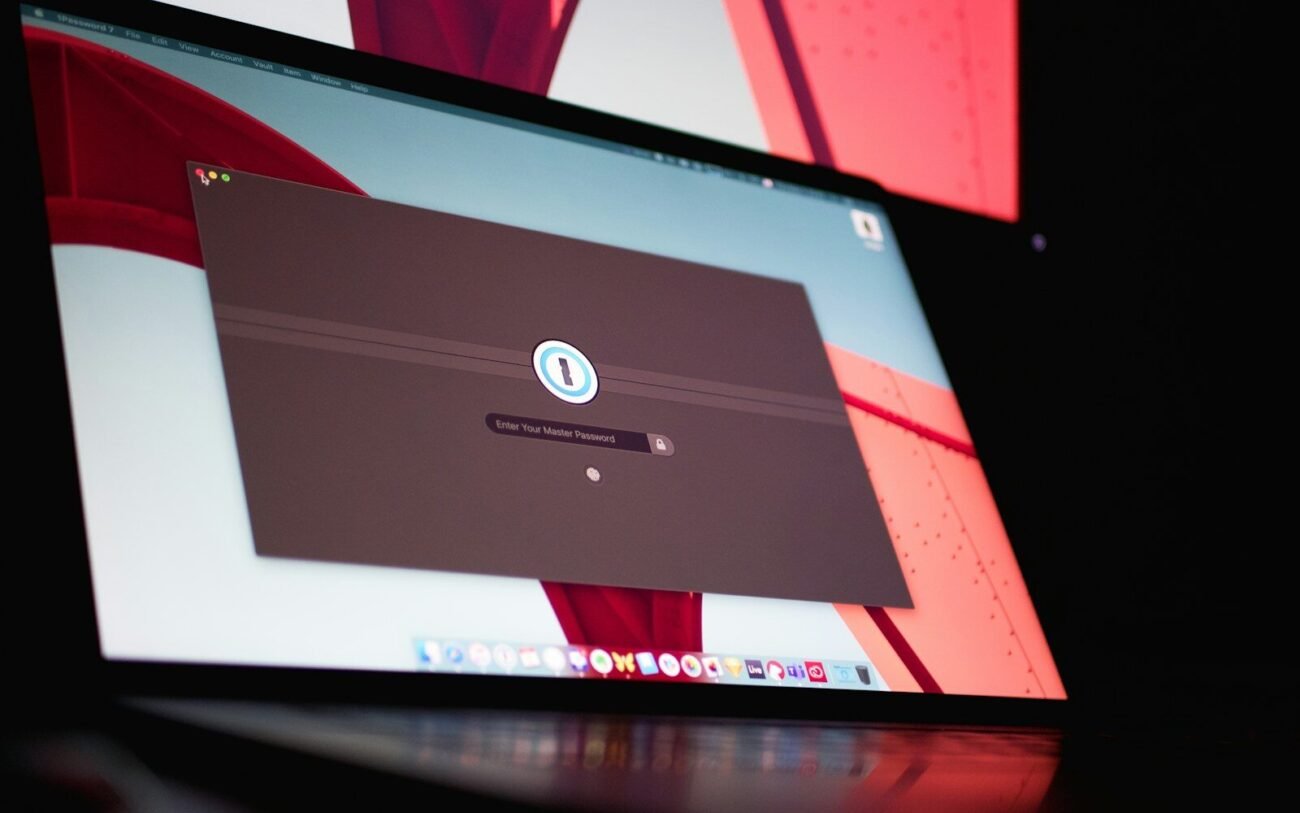
In today’s digital world, maintaining robust online security is essential, particularly for those who manage sensitive information or value their privacy. Password managers offer a powerful solution for security-conscious individuals, streamlining the process of creating, storing, and accessing strong and unique passwords for every digital account. As cyber threats continue to evolve, relying on memory or note-taking apps is no longer sufficient. Let’s explore why these tools have become indispensable, what features to look for, and how to choose the right one for your needs.
The Growing Importance of Password Security
With the increase in online services, social media platforms, and digital banking, individuals are expected to create and remember dozens, if not hundreds, of login credentials. Unfortunately, many still resort to weak or repeated passwords for the sake of convenience, leaving their information vulnerable to breaches and hacking attempts. Data breaches are now commonplace, and a single compromised credential can lead to significant personal and financial harm.
Password managers address these concerns by generating and storing complex passwords for all your accounts, ensuring each login is as secure as possible. For those serious about protecting their digital footprint, these tools are no longer a luxury; they’re a necessity.
How Password Managers Enhance Online Security
Automated Generation of Strong Passwords
One of the primary ways password managers contribute to better security is through the automatic creation of strong, randomized passwords. These passwords typically combine uppercase and lowercase letters, numbers, and special symbols, making them nearly impossible to guess or crack using brute-force techniques.
Secure Storage and Encryption
Password managers store your credentials in an encrypted vault, accessible only with a master password or biometric authentication. Leading solutions use advanced encryption standards (AES-256, for example) to ensure no one—including the software provider—can access your data without your consent.
Seamless Access Across Devices
Most modern password managers sync your vault across devices, letting you access your credentials whether you’re on a laptop, tablet, or smartphone. This eliminates the temptation to write down passwords or use simple credentials for the sake of easy recall.
Alerts for Breaches and Weak Passwords
Security-conscious individuals benefit from breach monitoring features, which alert users if one of their saved accounts appears in a known data breach. Some password managers also identify and prompt you to change weak or reused passwords, continually strengthening your security posture.
Key Features to Look for in a Password Manager
When choosing the right password manager, it’s important to focus on certain critical features:
Strong Encryption Standards
Ensure your chosen solution offers end-to-end encryption. Your data should be secured both locally and during transmission to any cloud storage, leaving nothing accessible in plain text.
Two-Factor Authentication (2FA)
For an added layer of defense, look for services that support two-factor authentication. Even if someone discovers your master password, 2FA requires a second verification method before granting access.
Zero-Knowledge Architecture
This means that even the provider cannot view your stored data—a must-have for privacy-oriented users.
Cross-Platform Compatibility
The best password managers operate seamlessly on all major operating systems and browsers. Look for solutions with intuitive mobile apps and browser extensions for maximal flexibility and convenience.
Automatic Form Filling
A user-friendly password manager will not only insert passwords but can also autofill addresses, credit card information, and other personal data securely without storing it insecurely on your devices.
Recommended Options for Security-Minded Users
Some popular password managers that cater especially well to those with heightened security and privacy concerns include:
– 1Password: Known for its robust security features, intuitive interface, and Watchtower breach monitoring tool.
– Bitwarden: Open-source, offering transparency and affordability alongside strong encryption.
– LastPass: Popular for its cross-platform capabilities and family-sharing options.
– Dashlane: Comes with a built-in VPN and dark web monitoring service.
Experimenting with free trials and reading independent reviews can help you select the tool that best matches your personal security requirements.
Adopting Better Security Habits
While password managers significantly enhance your online safety, they must be paired with sound digital hygiene practices. Choose a strong master password that you don’t use anywhere else, enable biometric verification if available, and keep your software regularly updated. By combining these habits with a reputable password manager, security-conscious individuals can confidently protect their online accounts and personal information against evolving threats.
Ultimately, investing in a password manager is a simple yet transformative step for anyone committed to safeguarding their digital life. With the right tool, you can navigate the digital world with greater confidence, knowing your credentials are protected against today’s most sophisticated cyber threats.