
In today’s interconnected world, the security of our digital identities hinges largely on the integrity of our email accounts. From password resets to sensitive communications, emails are often the linchpin that grants access to some of our most critical online services. This makes the choice of a reliable password manager more important than ever. Understanding how these tools work, and why they are considered essential for safeguarding email accounts, is the first step in building a robust online security strategy.
Why Email Accounts Need Special Protection
Email is a central hub of digital activity. Not only do personal and financial statements land in your inbox, but it’s also the primary gateway for resetting passwords across various platforms. Should someone gain unauthorized access, the consequences can ripple outwards, compromising social media, banking information, and even work accounts.
Cybercriminals often target email because of its power to unlock other accounts. That’s why having a unique, complex password for your email is the simplest yet most effective protective measure. Unfortunately, remembering dozens of robust, unique passwords quickly becomes unmanageable without help.
How Password Managers Enhance Security
Password managers offer a practical solution to the challenge of maintaining unique, long, and hard-to-guess credentials for every account—especially your email. These tools generate, store, and autofill complex passwords, reducing the temptation to reuse or simplify passwords across different sites.
Secure Storage of Credentials
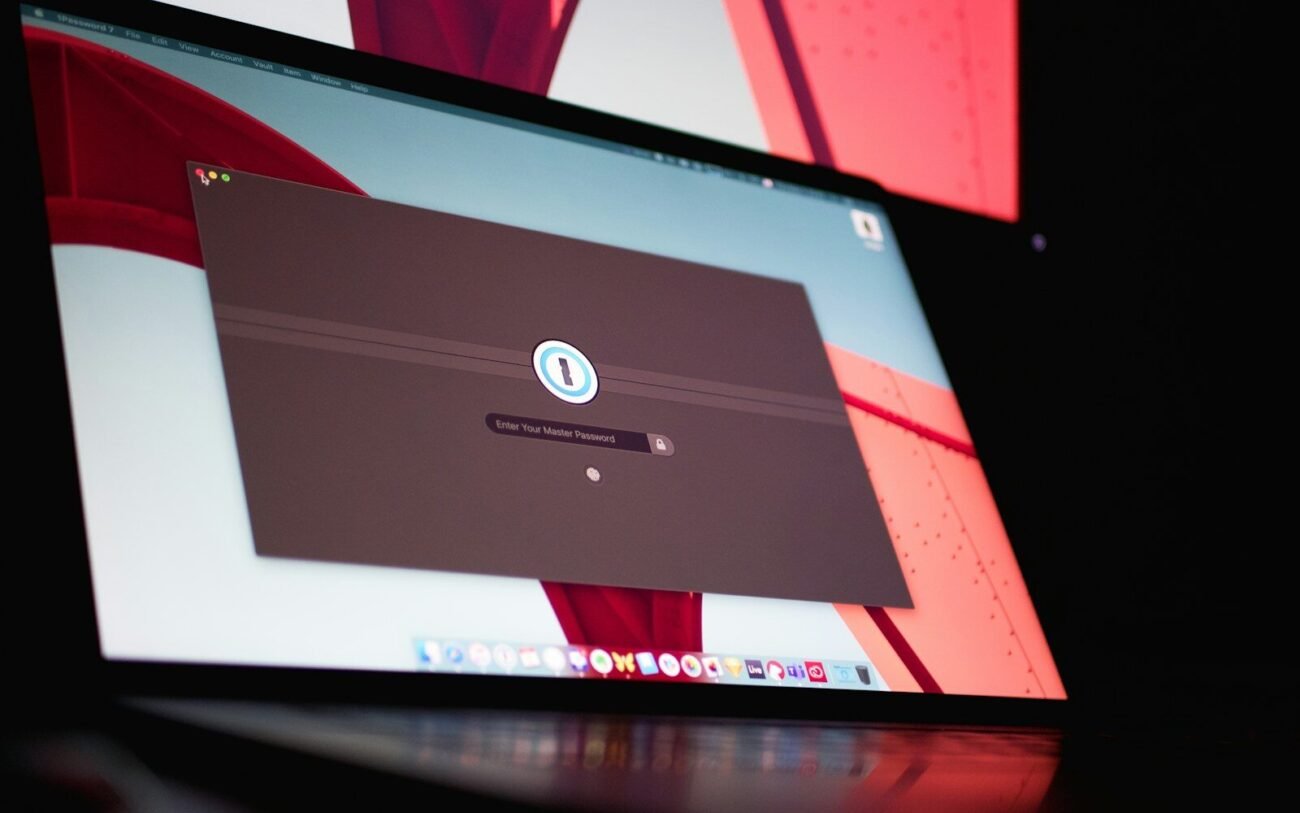
A quality password manager encrypts your login information and stores it in a tightly secured vault. This means only you, using your master password or biometric authentication, can unlock and retrieve your passwords. For your email logins, this method dramatically reduces the risk of being compromised through phishing or brute-force attacks.
Generating Strong Passwords
One of the standout features of password managers is their ability to generate randomly strong passwords. Instead of struggling to come up with combinations of letters, numbers, and symbols, you can rely on your manager to create something unique for your email account. This severely limits the chances of your password being guessed or cracked.
Convenient Synchronization Across Devices
Most modern password managers offer cloud synchronization. This allows you to access your email credentials from your laptop, smartphone, or even browser extension, without entering passwords manually each time. This convenience eliminates the need for insecure practices like writing down passwords or reusing simple ones.
Choosing a Password Manager for Your Email
When selecting a password manager to safeguard your email, consider several vital factors.
Security Features
Look for industry-standard encryption (such as AES-256), two-factor authentication (2FA), and a zero-knowledge policy—which ensures that only you have access to your decrypted data. Some password managers regularly audit their platforms for vulnerabilities and offer dark web monitoring, alerting you if your email credentials may have been compromised in a breach.
Usability
A well-designed password manager will be intuitive to set up and use. Features such as password autofill, secure password sharing, and an easy-to-navigate interface make managing your email security hassle-free.
Compatibility
Make sure the password manager supports all your devices and browsers. If you access email from both work and personal devices, seamless synchronization is a must.
Reputation and Reviews
Stick with well-established, reputable brands. Review feedback from other users and pay attention to the company’s history of security incidents or responses to vulnerabilities.
Additional Best Practices for Email Security
While password managers are indispensable, they work best as part of a broader security approach:
– Enable 2FA: Many email providers offer two-factor authentication, doubling your account’s protection.
– Monitor Account Activity: Regularly check your security settings and log out of unused devices.
– Regularly Update Passwords: Even with a password manager, it’s wise to update your email password periodically, especially if you suspect it’s been compromised.
– Be Wary of Phishing: Never click links or provide login details in response to unsolicited emails, even if they appear to be from your provider.
Protecting your email account is non-negotiable in a world where cyberthreats are evolving daily. Leveraging a trustworthy password manager not only simplifies the process of maintaining strong, unique passwords but also fortifies that all-important first line of digital defense. Choose your tool wisely, combine it with other smart security practices, and rest easier knowing that your digital identity is considerably safer.