
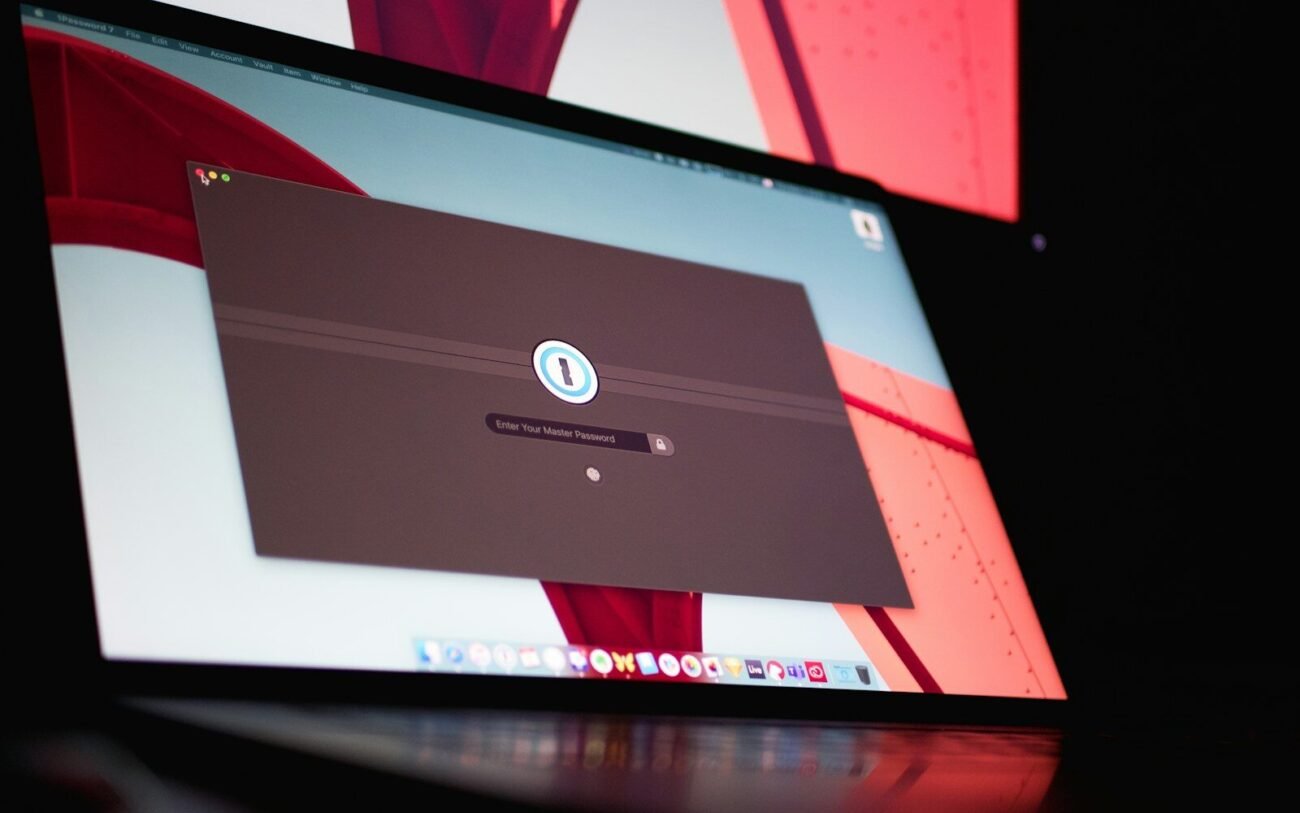
In today’s digital-first work culture, freelancers and remote workers are handling a growing number of online accounts—from client portals to project management tools and banking sites. Securely managing passwords across multiple platforms can be a challenge, especially when efficiency and confidentiality are top priorities. Using a password manager can not only enhance security for independent professionals, but also simplify daily workflows, giving freelancers and remote workers one less thing to worry about.
Why Secure Password Management Matters
Freelancers and remote employees often juggle an array of digital accounts, each demanding strong, unique passwords to remain secure. Unlike traditional office environments where IT departments may manage security protocols, independent workers are largely responsible for their own digital safety. Weak or reused passwords can expose valuable business and client data to cyber threats such as phishing and hacking. With remote work on the rise, there’s an increased risk of attacks targeting individuals working outside secure office networks.
A password manager is a specialized tool designed to help users generate, store, and auto-fill complex passwords securely. These tools alert you to weak or reused passwords and store all login credentials behind one robust master password, protected by encryption. For freelancers and remote professionals, these features provide an essential layer of digital defense.
Key Benefits of Password Managers for Independent Workers
Streamlined Access Across Devices
One significant challenge for freelancers and remote workers is seamless access to accounts from various devices and locations. Password managers offer cross-device synchronization, allowing users to vault their passwords securely and retrieve them via phone, tablet, or computer. This means that no matter where you’re working—from a home office or a café—you have reliable, encrypted access to all your business tools.
Simplified Collaboration With Clients
Many freelancers work closely with clients who need them to manage or access shared online systems. Some password managers enable secure sharing of login credentials, protecting both parties from risky email exchanges or easily guessed passwords. Features like limited-time access and sharing without revealing the actual password add a professional touch to client relationships.
Improved Security Hygiene
It’s easy to fall into the habit of repeating passwords, especially when account numbers grow into the dozens. Password managers prompt users to create strong, unique passwords for each site and update them regularly, reducing vulnerability to data breaches and cyberattacks. Many tools also offer breach alerts, notifying you if any of your stored credentials might have been compromised elsewhere on the web.
Choosing the Right Password Manager
Core Features to Look For
When selecting a password management application, freelancers and remote workers should prioritize solutions offering:
– End-to-end encryption
– Synchronization across multiple devices
– Secure password sharing options
– Multi-factor authentication (MFA) support
– User-friendly interface for quick adoption
Many leading password managers—such as LastPass, 1Password, and Bitwarden—offer free versions with essential features and premium plans for advanced capabilities. Evaluating your specific client needs, device preferences, and budget will help in choosing the right fit.
Integration With Workflow Tools
Remote professionals often rely on cloud-based apps, email platforms, and time tracking tools. Look for password managers that integrate smoothly with browsers and popular productivity tools, letting you autofill credentials instantly. Chrome and Firefox browser extensions, for instance, can save valuable time while keeping your information protected.
Tips for Maximizing Password Manager Use
Even the most robust tool is only beneficial if used effectively. Start by regularly updating your master password and enabling multi-factor authentication. Make it a habit to run health checks, which identify weak or duplicate passwords. If you work with subcontractors or clients who also need to access shared platforms, leverage your password manager’s sharing capabilities to keep everyone secure.
Freelancers and remote workers handle a variety of sensitive data, from client files to payment platforms. Incorporating a password manager isn’t just about convenience—it’s a critical step for maintaining professional credibility and safeguarding your business reputation. By adopting good password habits and making use of the advanced features these tools provide, independent professionals can focus on their work, confident in the knowledge that their digital assets are protected.