
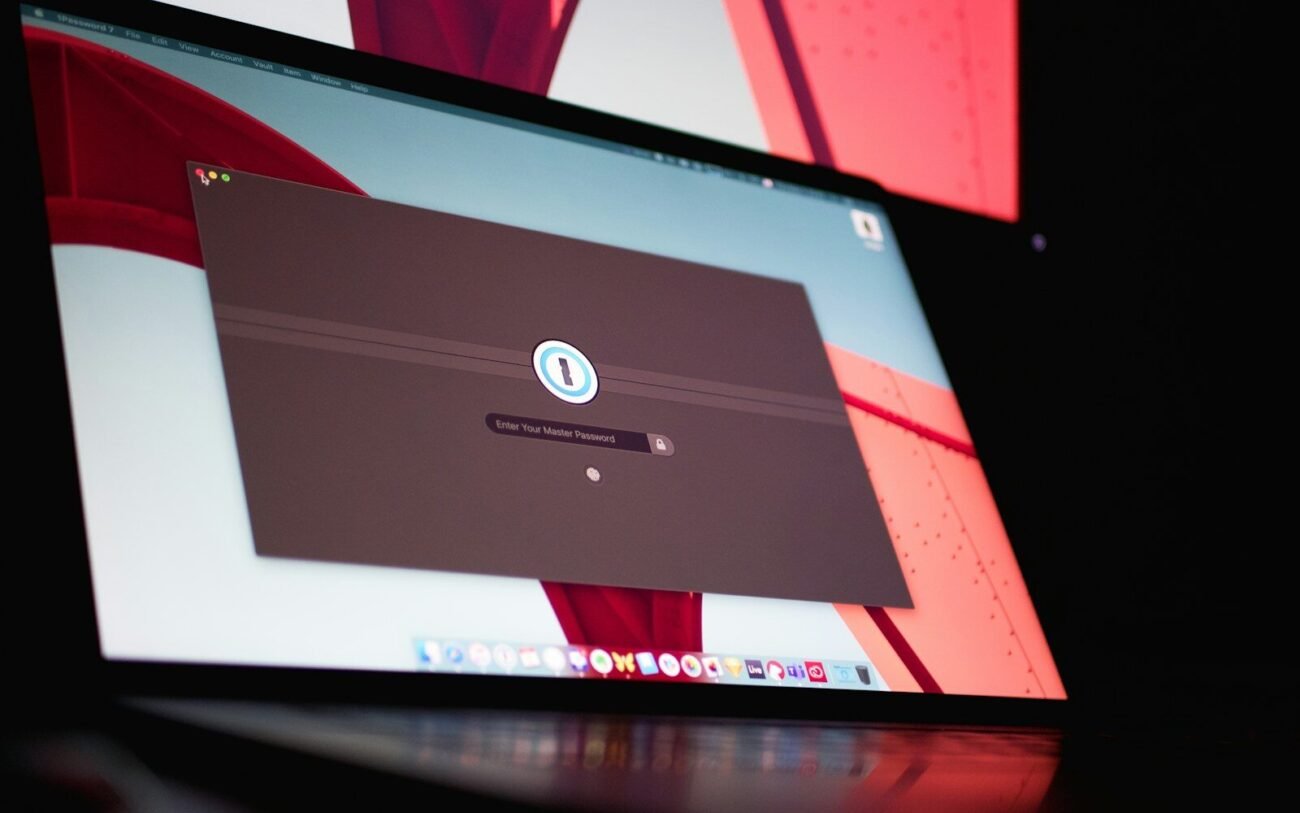
In an age where digital security is more crucial than ever, individuals and organizations are seeking reliable ways to protect their online information. With the proliferation of online accounts comes the challenge of remembering numerous, complex passwords—a task that’s nearly impossible without assistance. Password managers have emerged as indispensable tools in this landscape, providing a secure way to generate, store, and retrieve passwords. At the heart of the effectiveness of these tools lies something known as the master password. Understanding the role of a master password and why it matters is key to safeguarding your digital life.
The Role of Password Managers in Cybersecurity
Password managers serve as secure vaults that store credentials for various websites and applications. Rather than memorizing dozens of unique passwords, users need only remember a single, strong passphrase. This convenience does not come at the cost of security; in fact, a reputable password manager enhances protection by encouraging users to create complex, unique passwords for each account—a significant defense against credential stuffing and brute-force attacks.
Most password managers use advanced encryption technologies to ensure that stored data remains inaccessible to prying eyes, even in the event of a breach. Features often include password generation tools, automatic form filling, and even breach monitoring notifications. However, all these layers of security ultimately depend on one crucial aspect: the master password.
The Importance of Master Passwords
The master password acts as the primary key to unlock your password manager. This single password grants you access to your encrypted vault of credentials, making its strength and security absolutely vital. If this password is weak or compromised, all the stored passwords could be at risk—rendering even the most sophisticated password manager nearly useless.
Why Strength Matters
A robust master password is difficult for attackers to guess, even if they use advanced tools. The ideal master password is lengthy, random, and includes a mix of uppercase and lowercase letters, numbers, and symbols. Avoid using easily guessed information such as birthdates, pet names, or common phrases. Many experts recommend using a passphrase—a string of unrelated words or a memorable sentence—which is both easier to recall and inherently strong.
Protecting the Master Password
Since the master password is never stored on company servers (a core principle of zero-knowledge encryption), it cannot be reset by the service provider. This means that losing it may result in permanent loss of access to all stored data. Most password managers offer recovery options, such as backup codes or biometric authentication, but these cannot substitute for a strong and secure master password. It is wise to write down your master password and store it in a safe location, or consider using a second, highly secure backup method.
Best Practices for Using Password Managers
While password managers significantly reduce security risks, they are only as safe as the habits of their users. Consider the following best practices:
Regularly Update Your Master Password
Changing your master password periodically can reduce the risk of unauthorized access. When changing it, ensure the new password is as or more secure than the previous one.
Enable Multi-Factor Authentication
Many password managers support additional security measures, such as two-factor authentication (2FA). Enabling this feature adds another layer of protection, requiring a second form of verification before access is granted.
Stay Vigilant Against Phishing Attacks
Never enter your master password on suspicious or unknown websites. Cybercriminals often create fake login pages to trick users into revealing their credentials. Always verify the web address and use the official app or site.
Keep Your Software Updated
Ensure your password manager software is always up to date. Updates frequently address security vulnerabilities and include important new features that enhance protection.
Final Thoughts on Digital Security
Password managers have revolutionized how we handle password security, making it easier to practice good online hygiene without the overwhelm of memorizing countless complex credentials. The master password, however, serves as the ultimate gatekeeper; understanding and respecting its importance is paramount. By adopting strong habits and leveraging the full suite of features offered by password managers, individuals can enjoy both convenience and peace of mind in an increasingly digital world.