
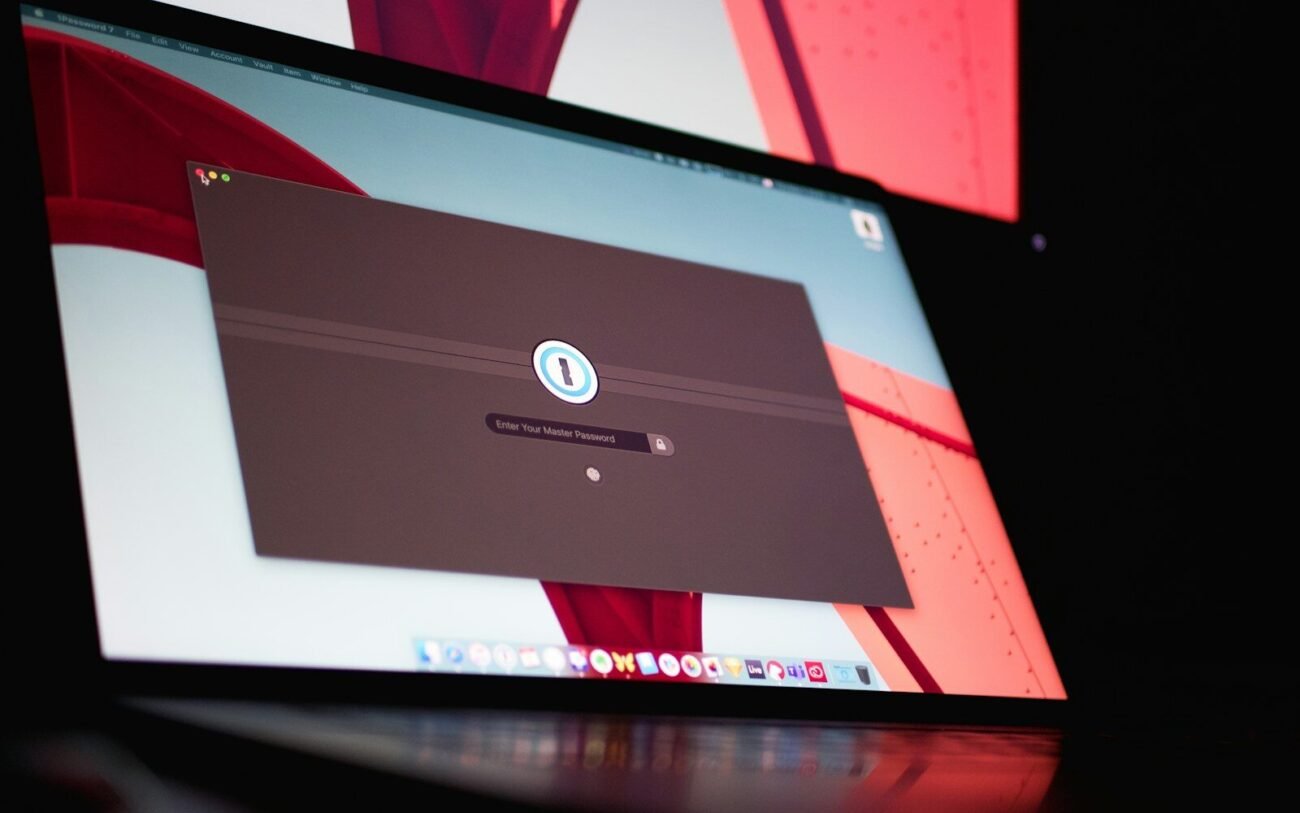
As digital security threats continue to evolve, protecting our online accounts is more important than ever. For years, password managers have been an essential tool in maintaining strong, unique passwords across countless platforms. However, a new era in authentication is on the horizon: passkeys. With passkeys gaining traction as a safer and more convenient alternative, it’s time to explore the role of password managers today and how they’re adapting to this exciting development.
Understanding Password Managers: The Current Standard
Password managers have become household names among those conscious of online security. These services generate, store, and autofill complex passwords, ensuring that users don’t have to remember numerous unique codes for every website or service they use. Popular examples include LastPass, 1Password, and Bitwarden.
The core advantage of these tools is their ability to mitigate risks associated with weak or reused passwords—a common target for cybercriminals. By centralizing credential storage and utilizing strong encryption, password managers can significantly enhance digital safety. They also streamline everyday experiences by auto-filling credentials, making it both secure and convenient to log into online accounts.
Yet, as smooth as these solutions are, they’re not perfect. Users still need a master password for account access, and password database breaches, while rare, are not impossible. Plus, phishing attempts can still trick users into revealing sensitive information, even when passwords are strong.
Enter Passkeys: A Passwordless Future
Recent advances in authentication are steering us toward a passwordless future. Passkeys, built on industry standards such as FIDO2 and WebAuthn, represent the next leap forward in keeping users safe online. Unlike traditional login methods, passkeys rely on cryptographic key pairs—one kept private on the user’s device, the other public and stored with the service provider.
The main appeal of passkeys is their resistance to phishing attacks. Since users never see or type in their secret credentials, hackers can’t trick them into handing over their authentication keys. Furthermore, passkeys eliminate the hassle of remembering passwords, making logins faster and less frustrating. They offer robust protection, leveraging biometric authentication (like face or fingerprint recognition), which adds another layer of security.
Adapting Password Managers for Passkeys
With passkeys poised to revolutionize authentication, password manager developers are quickly evolving to stay relevant. Modern password managers are beginning to support the creation, storage, and syncing of passkeys alongside traditional passwords. This seamless integration ensures that users can access their accounts using the latest technology without abandoning the organizational structure they already trust.
For example, some services now allow users to generate and store passkeys inside their secure vaults, just as they do with passwords. This makes transitioning to a passwordless system less daunting. Additionally, syncing passkeys across devices ensures that users aren’t tied to a single piece of hardware—a crucial convenience in our increasingly multi-device lives.
Benefits and Challenges on the Horizon
The adoption of passkeys brings numerous benefits. They offer greater security than conventional passwords, especially in the face of data breaches and phishing. Passkeys are also user-friendly, reducing friction for those who may struggle with managing complex passwords.
Despite these advantages, challenges remain. Not all online services are ready to support passkey authentication. Widespread adoption will require collaboration across industries, updating existing infrastructure, and educating users about the new technology. Legacy systems and sites that don’t yet support passkeys will need to be managed alongside traditional credentials for some time.
For password managers, this transition is an opportunity to reinforce their value. By embracing passkeys, these platforms can ensure that users benefit from both convenience and state-of-the-art security. As more services adopt passwordless authentication, password managers are likely to play a critical role in simplifying the migration and consolidating digital identities.
What to Expect Moving Forward
The shift to passkeys doesn’t mean passwords will disappear overnight. Instead, we will likely see a period of coexistence, during which password managers will act as a bridge between the old and new ways of authentication. Users should expect more password management tools to incorporate passkey support, making it easier than ever to secure online accounts.
This evolution marks a pivotal moment in cybersecurity. With password managers integrating passkeys, consumers will soon experience a blend of maximum convenience and protection. Staying informed about these trends—and choosing a password manager that embraces future technologies—will ensure your digital life remains secure in the years ahead.