
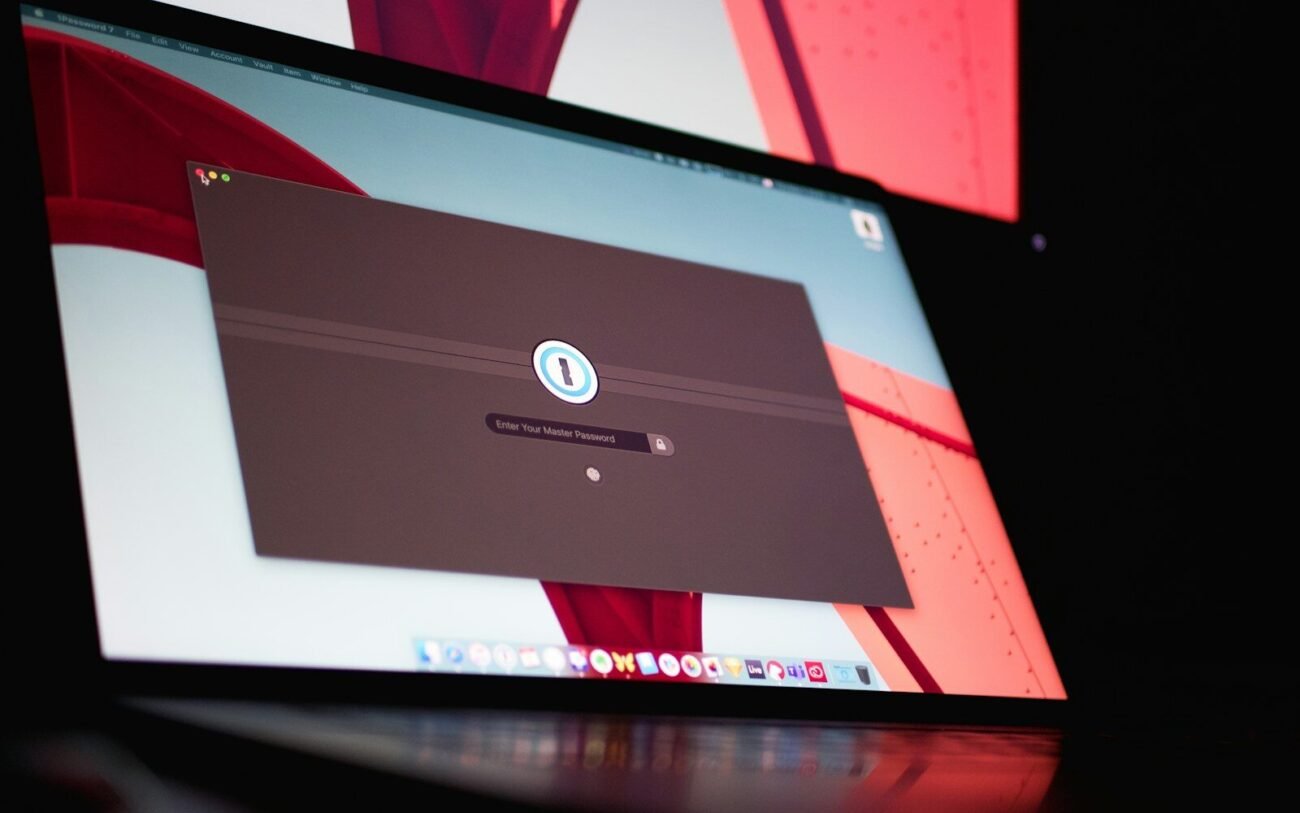
Choosing the Best Password Manager for Your Needs
In our digital world, protecting your online data is more important than ever. With the sheer number of accounts we use today—from banking and shopping to streaming and social media—it’s nearly impossible to remember a unique, strong password for each one. That’s where password managers come in. These tools help you generate, store, and auto-fill secure passwords, reducing the risk of breaches and identity theft. However, not all password management solutions are created equal. Knowing how to choose the right password manager can save you trouble and offer real peace of mind.
Understanding the Importance of Password Managers
Password managers serve as secure vaults for your sensitive login information. Instead of relying on memory (or repeating weak passwords), you only need to remember one strong “master password.” The password manager takes care of the rest, ensuring your digital life is protected against common threats like hacking and phishing attacks.
With so many options available, however, the process of finding the ideal solution can seem overwhelming. Prioritizing the right features and assessing your needs will help you make a smart, safe selection.
Key Features to Consider
When evaluating different password managers, certain features stand out. Here’s what you should look for:
1. Security Standards
A top priority for any password management tool is robust security. Look for managers that use advanced encryption protocols, such as AES-256 bit encryption, and offer zero-knowledge architecture (meaning only you can decrypt your data). Consider options with regular security audits and transparent privacy policies.
2. User Experience and Compatibility
A good password manager should be easy to use and compatible with your devices and browsers. Whether you’re using Windows, macOS, Android, or iOS, the tool should sync seamlessly across platforms. Browser extensions and auto-fill capabilities can dramatically simplify the process of signing in to your accounts.
3. Password Generation and Storage
A manager should create strong, random passwords for you and store them securely. Having a built-in password generator ensures that you’re not repeating passwords or choosing easily guessed terms.
4. Multi-Factor Authentication (MFA)
Adding an extra layer of protection, such as two-factor authentication, is essential. MFA ensures that even if someone gets hold of your master password, they’ll face another barrier before accessing your data.
5. Sharing and Emergency Access
Sometimes you’ll need to share access to an account with a family member or colleague. Look for features that allow secure password sharing. Emergency access—allowing a trusted contact to access your vault in specific circumstances—is also valuable.
6. Price and Subscription Models
Password managers are available as both free and premium versions. Free options can be useful, but paid versions often offer advanced features such as dark web monitoring or more comprehensive support. Assess your budget and choose one that gives you the security you need without unnecessary expense.
Comparing the Top Password Manager Types
Cloud-Based Solutions
Most popular password managers store encrypted data in the cloud. This ensures your passwords are accessible across all your devices, but it’s crucial the provider has excellent security practices. Leading platforms like LastPass, 1Password, and Dashlane fall into this category.
Locally Stored Password Managers
Some users prefer to keep their passwords stored locally, either due to privacy concerns or specific organizational requirements. Options like KeePass allow you to maintain complete control over your data, though it may require more manual setup and can limit device syncing.
Enterprise or Family Plans
If you’re looking to protect more than just yourself, consider password managers that offer business or family plans. These solutions often include centralized administration controls, user management, and advanced sharing capabilities.
Avoiding Common Mistakes
A common error is choosing convenience over security. While auto-fill features are handy, always ensure they’re protected by robust security protocols. Don’t overlook regular updates—using outdated software can leave you vulnerable. And always create a strong master password; it’s the gateway to everything else.
Making the Right Choice
Ultimately, the best password manager is the one that fits your lifestyle, device preferences, and security needs. Read reviews and try free trials to get a sense of usability and performance. By focusing on industry-leading security, reliable customer support, and a user-friendly interface, you’ll select a solution that enhances your safety without complicating your digital routine.
Safeguarding your online accounts is no longer optional—it’s essential. Investing a little time now in the right password management tool can spare you a world of trouble later, helping you browse, shop, and interact online with confidence.