
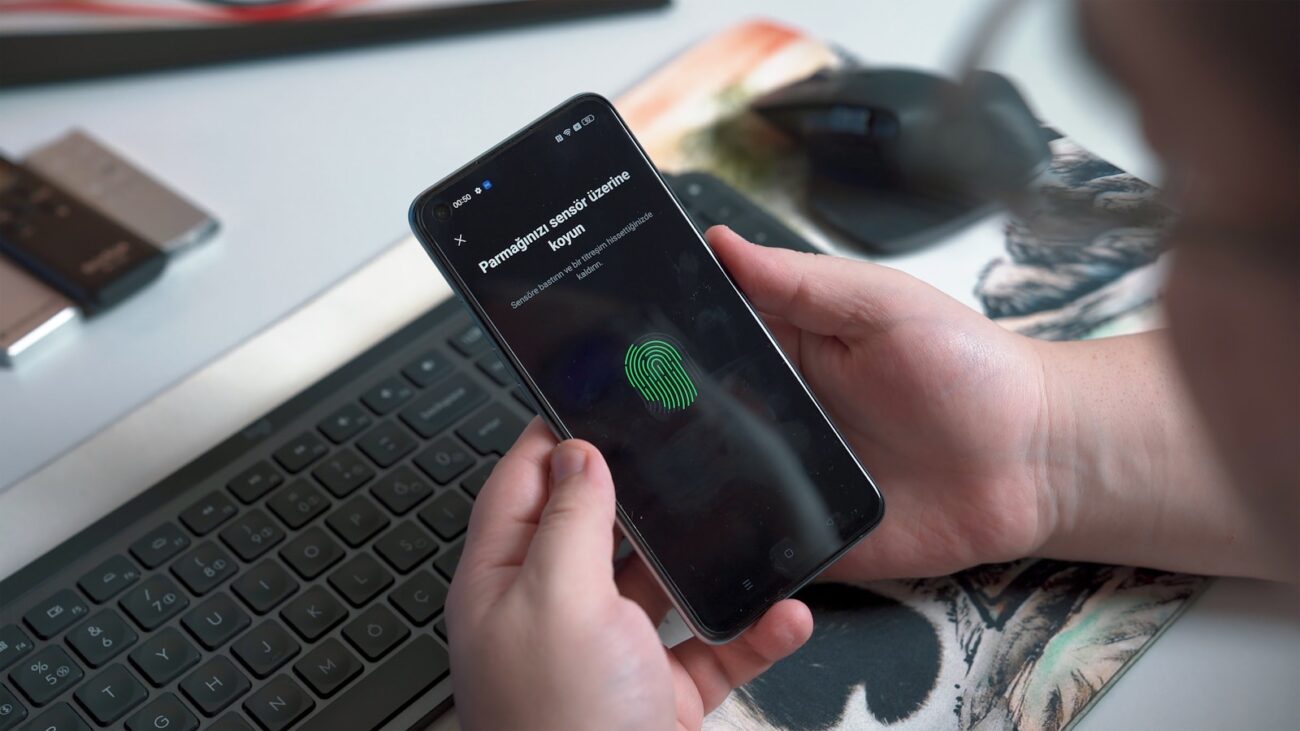
How Antivirus Helps Secure Passwords on a Mac
In today’s interconnected world, understanding how antivirus helps secure passwords on a Mac is essential for safeguarding your digital life. Passwords are the gatekeepers to sensitive data, personal accounts, and private information. While macOS is lauded for its robust security, no system is immune to threats. Incorporating antivirus software into your Mac’s defense strategy is a smart move for anyone concerned about password security.
Why Password Security Matters on a Mac
The macOS platform is less targeted than Windows, but cybercriminals are increasingly seeking vulnerabilities in all systems. Password breaches can grant attackers access to emails, online banking, and even work networks. Although Macs have built-in security features like Gatekeeper and FileVault, they don’t specifically focus on password theft or credential protection from all types of malware. This is where antivirus solutions play a vital role, adding critical layers of defense.
Understanding the Threat Landscape for Mac Passwords
Keyloggers and Credential-Stealing Malware
Attackers often deploy keyloggers or spyware to capture passwords as they’re typed. These programs can silently monitor activity, sending stolen data back to hackers, often without users ever realizing it.
Phishing Attacks Targeting Mac Users
Phishing isn’t exclusive to Windows users. Macs are increasingly targeted with fake login forms or malicious links that trick users into revealing passwords. Antivirus programs can block or warn against such threats, reducing the risk of compromised credentials.
Zero-Day Attacks and Exploits
Hackers constantly search for new vulnerabilities, sometimes exploiting gaps in macOS security before Apple can release patches. Antivirus providers frequently update their threat intelligence and can help block these emerging dangers, including those that target password storage.
How Antivirus Software Enhances Password Protection on Macs
Real-Time Malware Detection and Removal
Antivirus software continuously scans your Mac for malware designed to steal passwords. It can detect and neutralize Trojans, spyware, and keyloggers before they compromise password-protected accounts.
H3: Web Protection Shields Against Phishing
Modern antivirus tools often include web protection that blocks access to phishing sites. By automatically warning users about fraudulent websites, antivirus solutions dramatically reduce the chance of unwittingly entering passwords into malicious online forms.
H3: Vigilance Against Malicious Attachments and Downloads
Email attachments and downloads are common vehicles for malware. Antivirus software scans these files and quarantines anything suspicious, halting potential threats before they can engage in password theft.
H2: Integrating Antivirus with macOS Password Managers
H3: Protecting the Keychain
macOS Keychain is a built-in password manager that stores credentials securely. However, sophisticated malware can attempt to harvest data from the Keychain. Antivirus software can detect and stop processes that try to access or exfiltrate this sensitive information.
H3: Supporting Third-Party Password Managers
If you use third-party solutions like 1Password or LastPass, antivirus protection is just as important. Some malware is engineered specifically to steal master passwords or database files from these apps. Antivirus programs shield these managers by blocking malware before it can strike.
Synergizing Antivirus with Safe Browsing Habits
H2: Layered Security for Maximum Password Protection
Antivirus is most effective when combined with smart security practices:
H3: Keep macOS and Antivirus Updated
Updates close security loopholes that attackers might exploit. Enable automatic updates for both macOS and your antivirus, ensuring real-time defense against evolving threats.
H3: Use Strong, Unique Passwords
Even with antivirus, using weak or repeated passwords is risky. Employ password managers to generate and securely store complex passwords.
H3: Enable Two-Factor Authentication
Where possible, add an extra authentication step to your accounts. This makes it significantly harder for a stolen password alone to lead to a breach.
Common Myths About Macs and Antivirus
H2: Do Macs Really Need Antivirus for Password Security?
Many Mac users believe antivirus is unnecessary. However, malware, phishing, and targeted attacks can and do affect macOS, sometimes with devastating effects on password security. Antivirus is not just for Windows users—it’s a powerful ally for every Mac owner in protecting passwords.
Frequently Asked Questions (FAQs)
Q1: Can Mac antivirus software prevent my passwords from being stolen by keyloggers?
A1: Yes, leading antivirus programs can detect and block keyloggers trying to steal passwords on Macs.
Q2: Do antivirus solutions work with macOS Keychain to secure passwords?
A2: Antivirus software can help safeguard Keychain by detecting malware attempting unauthorized access.
Q3: Will antivirus block all phishing websites targeting Mac users?
A3: While no solution is perfect, reputable antivirus software significantly improves protection against known phishing sites.
Q4: Is it necessary to use antivirus if I already have a password manager on my Mac?
A4: Yes, antivirus adds extra protection against threats that target both system and password manager vulnerabilities.
Q5: How often should antivirus be updated for optimal password security?
A5: Enable automatic updates to ensure your antivirus always has the latest malware definitions and security patches.
Q6: Do Macs get password-stealing malware as often as Windows computers?
A6: Macs are less frequently targeted but attacks are increasing, making antivirus increasingly important for password protection.
Summary
Safeguarding your digital identity is crucial, and understanding how antivirus helps secure passwords on a Mac empowers you to make informed decisions about protecting your accounts. Antivirus software intercepts malware, thwarts phishing, and provides resilience against emerging threats that can compromise your passwords. Combined with secure habits—like using strong passwords, keeping your system updated, and enabling two-factor authentication—you can enhance your overall online safety.
Practical Takeaway
Every Mac user should consider antivirus as a key element in their cybersecurity toolkit. Choose a reputable antivirus solution, keep it updated, and pair it with safe password habits to fortify your personal and professional digital life against modern threats.