
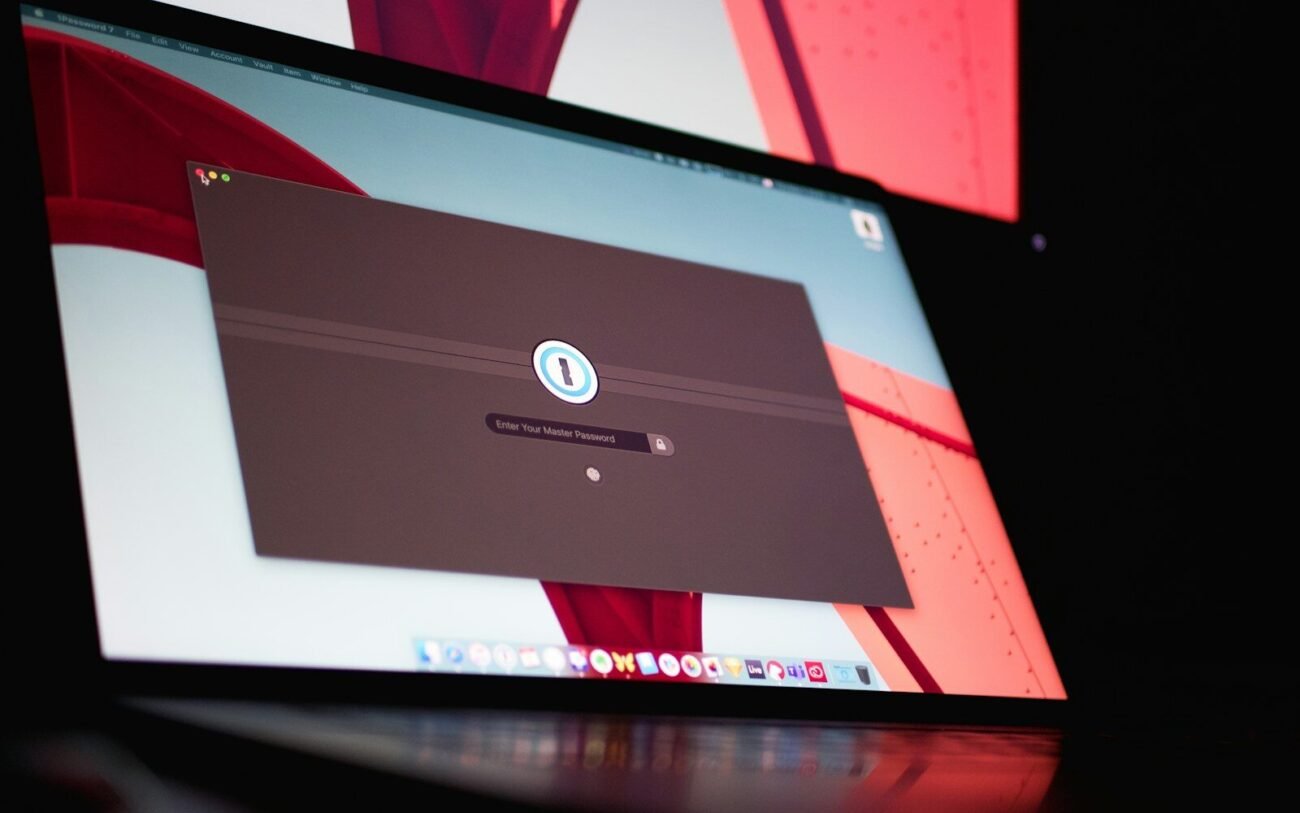
In today’s interconnected digital world, credential theft poses a constant threat to both individuals and organizations. Hackers use increasingly sophisticated techniques to steal usernames and passwords, resulting in data breaches, financial loss, and privacy violations. To address these ever-present risks, a reliable password manager has become an essential tool in personal and professional cybersecurity arsenals. With the right features, these applications offer strong protection against credential theft, helping users create, store, and manage complex passwords with confidence.
Understanding Credential Theft and Its Risks
Credential theft refers to the unauthorized acquisition of login details, typically usernames and passwords, through methods such as phishing, keylogging, brute-force attacks, or database breaches. Once stolen, credentials can be used to access sensitive data, commit fraud, or spread malware. Statistics show that weak, reused, or compromised passwords are a leading cause of security incidents. As cyber criminals become more adept at stealing login information, the need for robust password management has never been greater.
How Password Managers Strengthen Security
Password managers are digital tools designed to generate, store, and autofill secure passwords for online accounts. They provide a central vault protected by a master password—and often additional security protocols—ensuring that only authorized users can access their credentials. But how do some password managers offer advanced protection against credential theft?
Encryption as a Foundation
Most reputable password managers use end-to-end encryption to secure stored data. This means passwords are encrypted on the user’s device and remain unreadable to anyone, including the password manager’s service provider, unless the user enters their master password. The vast majority utilize strong algorithms like AES-256, which is virtually unbreakable with current technology.
Features That Combat Credential Theft
Not all password managers are created equal. Certain features are particularly effective at mitigating risks:
– Zero-Knowledge Architecture: Services with this framework ensure even the provider cannot access your stored data.
– Two-Factor Authentication (2FA): Adding an additional step to log in, such as a fingerprint or code sent to your phone, makes it much harder for attackers to access your vault.
– Dark Web Monitoring: Some solutions scan the dark web for leaked credentials and alert you if your information appears in a data breach.
– Password Generator: Randomly generated passwords are less susceptible to guessing and brute-force attacks.
– Automatic Password Change: A few tools offer the ability to update passwords at supported sites with a single click, reducing the window of vulnerability.
Top Password Managers With Robust Credential Theft Protection
Let’s explore some standout password managers known for going above and beyond in defending against credential theft.
1. LastPass
LastPass employs zero-knowledge security and offers comprehensive 2FA options. It scans stored logins against banking-grade security standards and alerts users to reused or weak passwords. Its premium plans include dark web monitoring, promptly notifying users if their credentials have been compromised.
2. 1Password
1Password is lauded for its strong encryption and “Secret Key”—a unique element that is never transmitted or stored on its servers. This, combined with 2FA, provides another layer of defense. Travel Mode temporarily removes sensitive data from your device when crossing borders, adding an innovative protection measure.
3. Dashlane
Dashlane emphasizes simplicity without sacrificing security. It boasts automated password changing functionality for select websites and continuous dark web surveillance. Its VPN feature further secures internet connections, reducing the risk of man-in-the-middle attacks.
4. Bitwarden
An open-source solution, Bitwarden allows users to inspect its code for vulnerabilities, fostering transparency and trust. It leverages end-to-end encryption, routine security audits, and robust 2FA options. Its user-friendly interface and cross-platform compatibility make it a top pick for individuals and businesses alike.
5. Keeper
Keeper provides enterprise-grade security protocols, including biometric login, secure file storage, and BreachWatch, a service that monitors the dark web for exposed credentials. Permission controls and audit logs make Keeper ideal for organizations looking to minimize the impact of credential theft across teams.
Best Practices for Using Password Managers
While a secure password manager greatly reduces the risk of credential theft, users must still follow best practices:
– Choose a strong, unique master password for your vault.
– Enable all available security features, especially 2FA.
– Update passwords regularly and replace any that appear in breach alerts.
– Remain vigilant against phishing attacks; password managers won’t protect you from entering your master password on a fake site.
By taking full advantage of a reputable password manager’s security features, users can significantly decrease the likelihood of falling victim to credential theft and navigate digital life with greater peace of mind. Investing in secure password management is a smart, proactive step towards safeguarding your digital identity.