
In today’s increasingly interconnected world, safeguarding your digital identity is more important than ever. Cybercriminals are constantly on the lookout for vulnerable accounts to exploit, making strong, unique passwords essential for protection. With the vast number of online accounts we manage, remembering every password can be overwhelming, and this is where password managers come into play. These tools are designed to help individuals and businesses securely store and manage their passwords, offering a practical solution to the complex challenge of online identity protection.
What Are Password Managers?
Password managers are specialized software applications that generate, store, and autofill passwords for various online services. Instead of memorizing dozens of complex passwords, users only need to remember one strong master password. The password manager handles the rest, encrypting sensitive information and storing it in a secure digital vault.
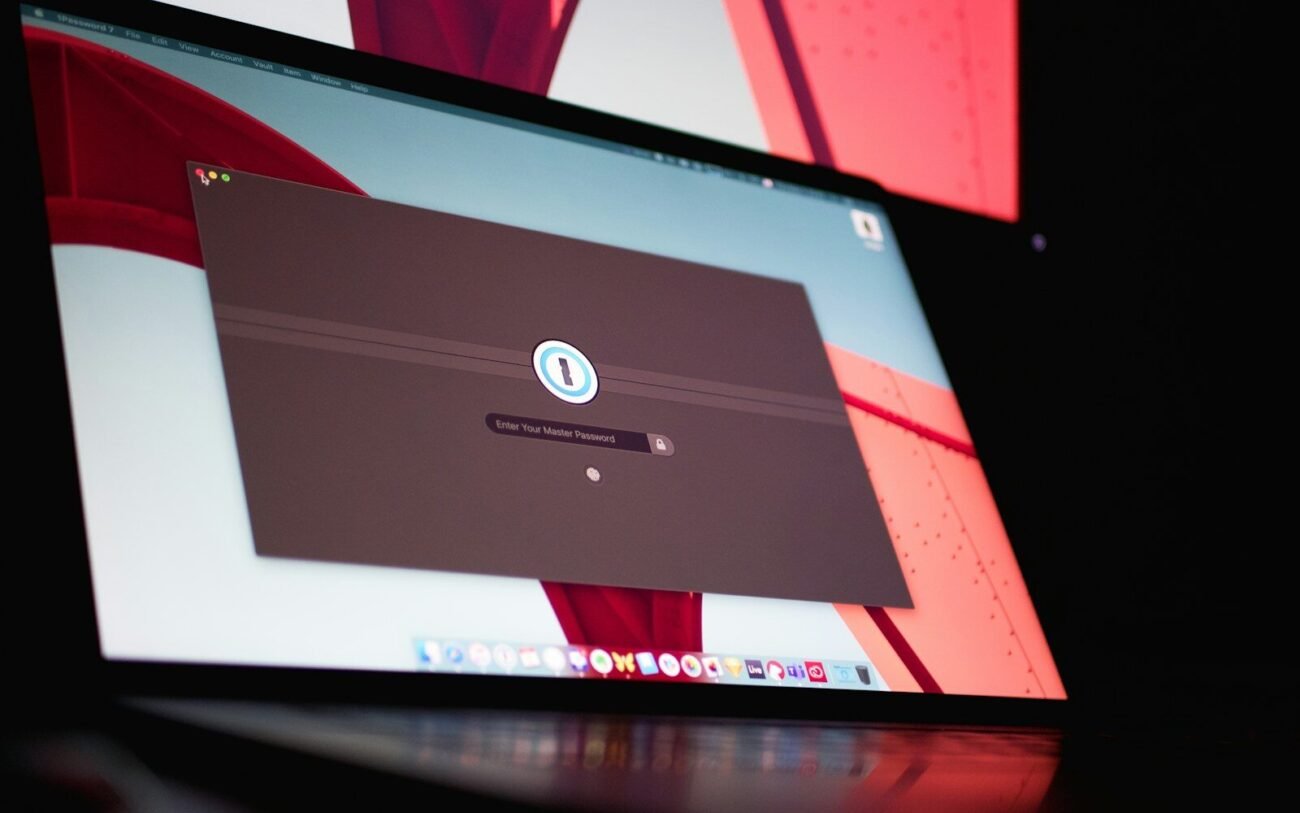
There are many types of password managers available, including cloud-based services, desktop applications, and browser extensions. Popular options include LastPass, Dashlane, 1Password, and Bitwarden, each offering unique features to accommodate diverse needs.
The Importance of Secure Passwords
Weak passwords remain a significant risk factor for online identity theft. Many individuals reuse the same simple passwords across multiple platforms, making it easier for hackers to access important accounts once one password is compromised. Creating unique and complex passwords for every service you use is critical, but it can be difficult to manage without assistance.
Password managers excel at overcoming these challenges by generating strong, random passwords that are difficult to crack. They also make it easy to update passwords regularly, further enhancing your online security. By centralizing password storage, these tools decrease the likelihood of falling victim to breaches resulting from weak or reused passwords.
How Password Managers Protect Your Online Identity
Encryption and Secure Storage
One of the primary ways password managers protect users is through robust encryption. User data is encoded both during storage and transmission, ensuring that even if the service is compromised, unauthorized parties cannot access your credentials. Most reputable password managers use end-to-end encryption, meaning only you control access to your master password and stored information.
Convenient Password Generation and Autofill
Password managers simplify the process of creating and using strong passwords. When setting up a new account or updating login details, you can use the built-in password generator to instantly produce a secure password. The manager will then store these credentials and automatically fill them in when you revisit the site, reducing the risk of falling for phishing attacks or accidentally entering your information on malicious websites.
Monitoring and Alerts
Some advanced password managers offer additional security features, such as password health reports, breach monitoring, and security alerts. These tools notify you if a password has appeared in a data breach or if an account may be at risk, allowing you to take swift action to protect your digital identity.
Choosing the Right Password Manager
Selecting a password manager involves considering your specific needs and preferences. Here are some factors to keep in mind:
– Security Features: Look for options with robust encryption standards, multi-factor authentication, and no knowledge architecture, which means even the provider cannot access your data.
– Ease of Use: The best password managers have intuitive interfaces and seamless browser or device integration.
– Compatibility: Make sure the manager works across all your devices—desktop, mobile, browser, and operating systems.
– Pricing: While many password managers offer free plans, paid versions often include premium features such as password sharing, secure note storage, and dark web monitoring.
Best Practices for Maximizing Security
Even with a reliable password manager, there are a few best practices users should always follow:
– Create a unique, strong master password. This is the key to your digital vault, so make it long, complex, and memorable.
– Enable multi-factor authentication. Adding an extra layer of verification dramatically increases your account’s security.
– Update passwords regularly. Use your password manager’s features to rotate passwords every few months, especially for sensitive accounts.
– Be vigilant. Watch out for phishing attempts, and only download password managers from reputable sources.
Adopting a password manager is a proactive step toward minimizing your online vulnerabilities. By centralizing and safeguarding your credentials, you gain peace of mind, knowing your online identity is well-protected in the face of evolving digital threats.