
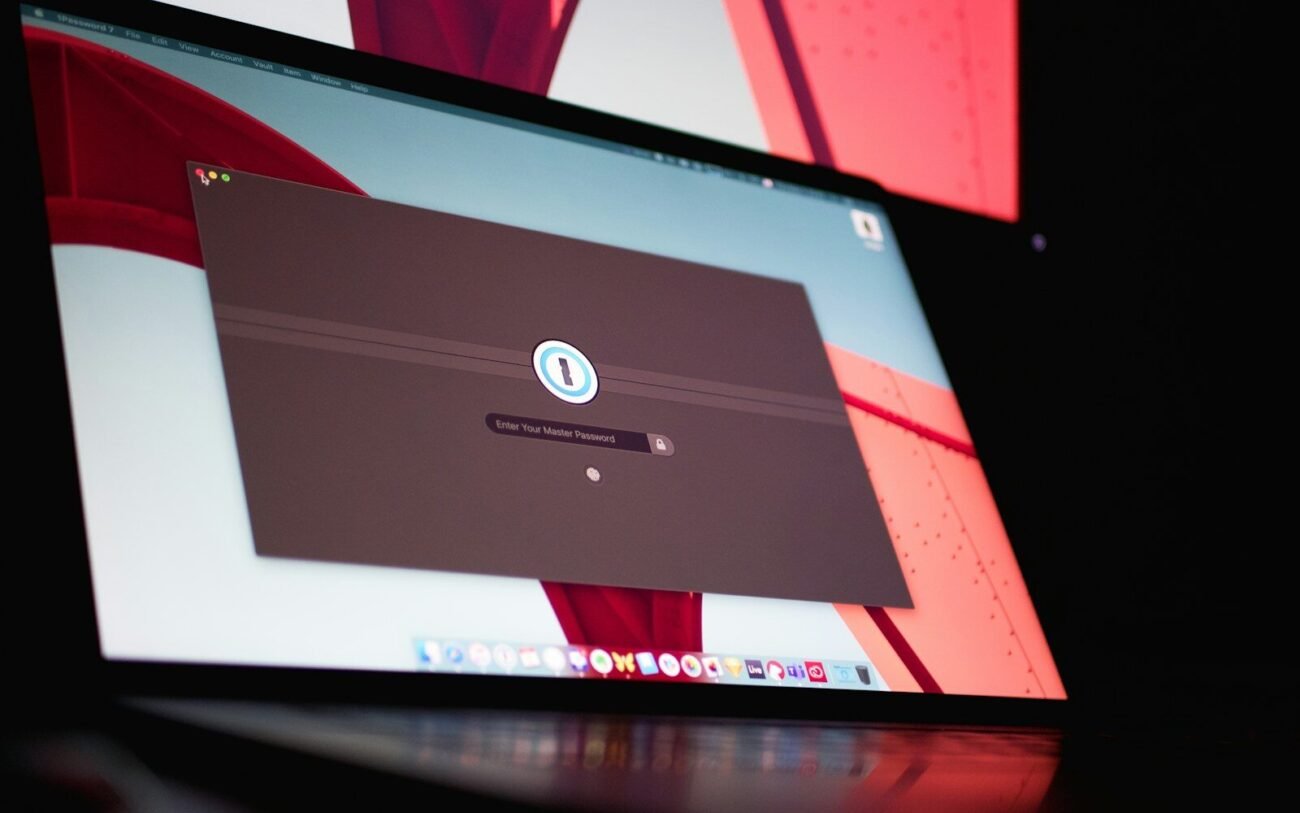
In today’s interconnected world, digital privacy protection is more important than ever. Our personal information—ranging from financial details to social media accounts—is scattered across countless online platforms. As cyber threats and data breaches become increasingly sophisticated, one critical step you can take to safeguard your privacy is managing your passwords effectively. This is where password managers become an essential tool for anyone serious about staying secure online.
Why Password Management Matters for Privacy
The foundation of digital security rests heavily on strong, unique passwords. Unfortunately, most people either reuse the same password across multiple accounts or choose ones that are easy to guess. This practice puts you at significant risk; if one account is compromised, hackers can potentially access several others, exposing your sensitive information.
Password managers play a pivotal role in countering this threat. They generate, store, and auto-fill strong passwords for a range of sites, reducing the likelihood of falling victim to cybercriminals. Instead of remembering dozens or even hundreds of credentials, users only need to recall one master password, significantly enhancing digital privacy protection while making security easier to manage.
How Password Managers Work
Secure Storage and Encryption
Password managers function by securely storing your passwords in an encrypted “vault.” Most use strong encryption algorithms such as AES-256, ensuring that only you can access your saved credentials. This means that even if a password manager’s server were compromised, your data would remain unreadable without your master password.
Password Generation Features
A key benefit is the ability to generate complex passwords for new or existing accounts. Good password hygiene involves using random combinations of letters, numbers, and symbols. Password managers can instantly create such passwords, minimizing the risk of brute-force attacks or unauthorized access.
Cross-Platform Accessibility
Many password managers are available as apps for computers, smartphones, and tablets, as well as browser extensions. This ensures you always have easy access to your login information wherever you go, making secure practices convenient rather than cumbersome.
Top Benefits of Using Password Managers
Enhanced Security with Convenience
Balancing security needs with convenience has always been a challenge in online privacy protection. With password managers, you no longer need to sacrifice one for the other. They not only remember your credentials but also autofill them securely, reducing the risk of phishing by ensuring you log in only at legitimate sites.
Early Breach Detection
Some password managers offer features like breach monitoring and security audits. These can alert you if any of your stored logins have been exposed in a known data breach, allowing you to respond quickly by changing affected passwords before any damage is done.
Secure Sharing Options
Sharing passwords via email or text can be risky. Some password managers provide secure ways to share selected credentials with family members or colleagues, all encrypted end-to-end. This capability is particularly helpful for shared accounts or workplace environments, promoting both collaboration and safety.
Choosing the Right Password Manager
When selecting a password management solution for digital privacy protection, it’s important to consider a few factors:
– Security Protocols: Ensure it uses strong encryption and offers options like two-factor authentication.
– User Experience: Choose a manager with a user-friendly interface and seamless compatibility across your devices.
– Reputation: Opt for well-reviewed services that have undergone third-party security audits.
– Extra Features: Look for advanced features like password health reports, emergency access, and secure note storage, depending on your needs.
Popular providers such as LastPass, 1Password, Dashlane, and Bitwarden all offer strong security foundations, but their feature sets and pricing models vary. Take advantage of free trials to see which solution best fits your workflow.
Maintaining Best Practices for Digital Privacy
While password managers greatly bolster your security, they’re just one aspect of comprehensive digital privacy protection. It’s important to also enable two-factor authentication wherever possible, update passwords regularly, and remain vigilant for phishing attempts or suspicious activity.
Staying proactive about protecting your personal information online requires both the right tools and the right habits. By incorporating a trusted password manager into your daily routine, you establish a solid defense against many common cyberthreats—giving you peace of mind as you navigate the digital world.