
For many people, managing online passwords can feel overwhelming—especially for non-technical users. Between remembering multiple logins and creating strong, unique passwords for each account, it’s easy to see why some turn to simple, insecure choices like using the same password everywhere. However, password managers offer a safe and efficient solution tailored even for those without a technical background. By understanding how these tools work and what features to look for, anyone can boost their online security with minimal hassle.
What Are Password Managers?
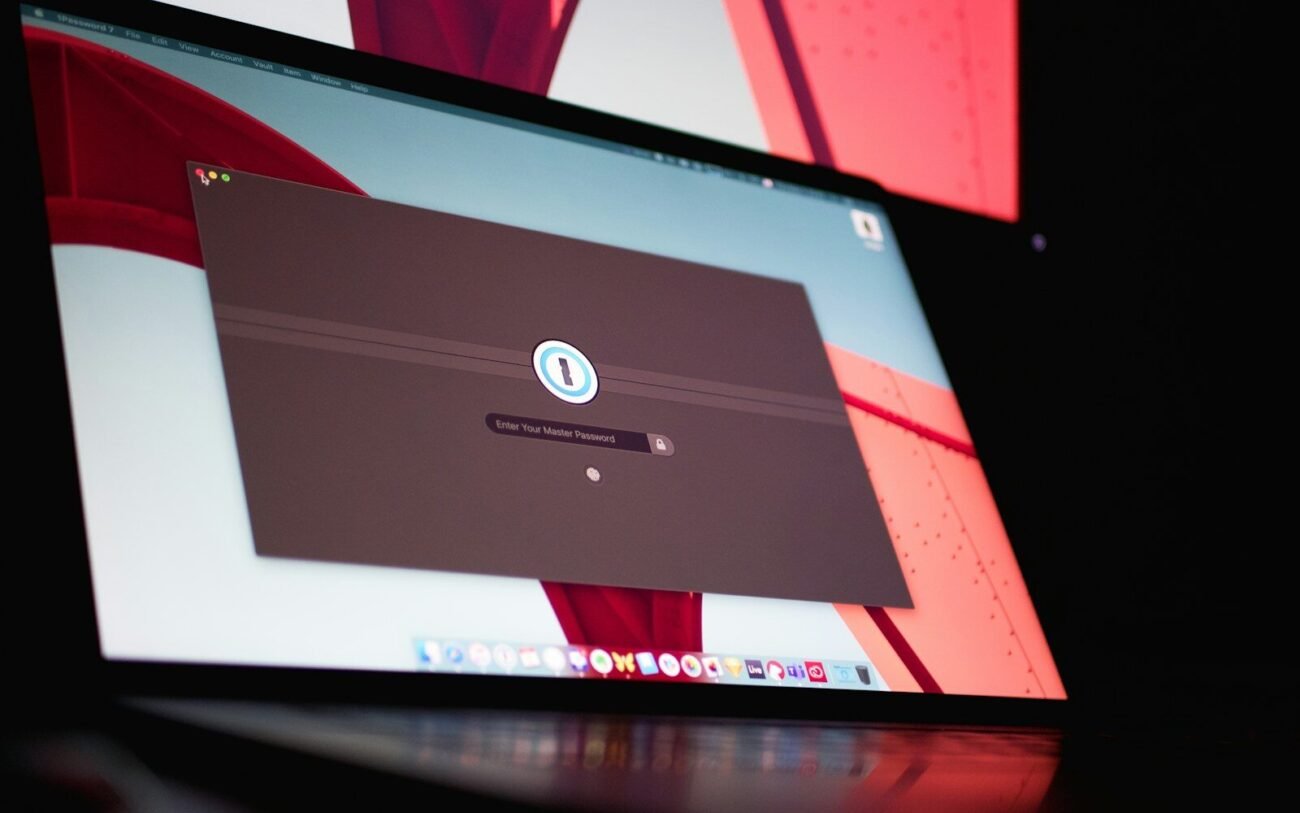
A password manager is a software application designed to store and organize your login credentials securely. These tools help users create, manage, and retrieve complex passwords for all their accounts. Instead of trying to remember dozens or even hundreds of passwords, users need only remember a single master password to access their vault of credentials.
For non-technical users, the idea of entrusting all passwords to an application may initially seem daunting. But modern password managers place a strong emphasis on simplicity and user-friendliness, making them accessible for people of all skill levels.
Benefits for Non-Technical Users
1. Enhanced Security Without Complexity
One of the biggest worries for those unfamiliar with technology is the fear of making mistakes that could compromise security. Password managers are designed to automate the tough part—generating and storing strong, unique passwords for every site you use. This greatly reduces the risk of hacking due to weak or reused passwords, all while requiring minimal effort from the user.
2. Simplified Login Experiences
Rather than typing passwords manually every time, leading password managers offer browser extensions and mobile app integrations. With just a click or tap, users can log in to their accounts without ever seeing or entering their passwords. This approach not only saves time but also removes the frustration of forgotten logins.
3. Secure Password Sharing
Some situations, such as sharing a streaming service with family, call for sharing logins. Password managers make this possible with secure sharing features, ensuring credentials are shared safely without giving away the actual password—helpful for families or small teams that aren’t tech-savvy.
Key Features to Look For
When choosing password managers suitable for non-technical users, it’s important to focus on tools that are easy to use and maintain. Look for the following features:
Intuitive User Interface
Ease of use should be a priority. Non-technical individuals benefit from applications with a simple, uncluttered design. Clear instructions, step-by-step onboarding, and straightforward prompts ensure a smooth experience.
Autofill Capabilities
The ability to automatically fill in passwords and even generate new ones saves time and removes the guesswork. Quality password managers seamlessly integrate autofill for both websites and apps.
Cross-Platform Compatibility
Since most people access their accounts from multiple devices, a password manager should work across Windows, macOS, Android, and iOS. This allows users to access their logins from smartphones, tablets, and computers with minimal setup.
Emergency Access Options
Life is unpredictable. Some password managers now provide emergency contacts or access features, allowing trusted individuals to retrieve critical accounts in case something happens to the primary user.
Getting Started: Simple Steps for Adoption
Non-technical users might be unsure about how to start using a password manager. Here’s a straightforward process:
1. Choose a Reliable Password Manager: Popular choices include 1Password, Bitwarden, and LastPass, all of which offer user-friendly interfaces.
2. Install the Application and Browser Extension: Follow the guided prompts during installation. Most password managers walk new users through each step.
3. Create a Strong Master Password: This is the only password you’ll need to remember. Make it unique, yet memorable.
4. Import or Add Passwords: Many tools offer import options from browsers or help you manually enter logins as you use them.
5. Use Autofill and Generation Tools: Allow the manager to suggest strong passwords and fill them in at login screens.
Overcoming Common Concerns
It’s natural to have reservations about storing all your passwords in one place. Reputable password managers use advanced encryption techniques, such as zero-knowledge architecture, meaning even the service providers can’t access your information. Regularly updated security protocols, two-factor authentication, and data breach monitoring add additional layers of protection.
For non-technical users, password managers represent a major step forward in making online life both safer and more convenient. By choosing the right tool and embracing its features, anyone can take control of their digital security—no tech expertise required.