
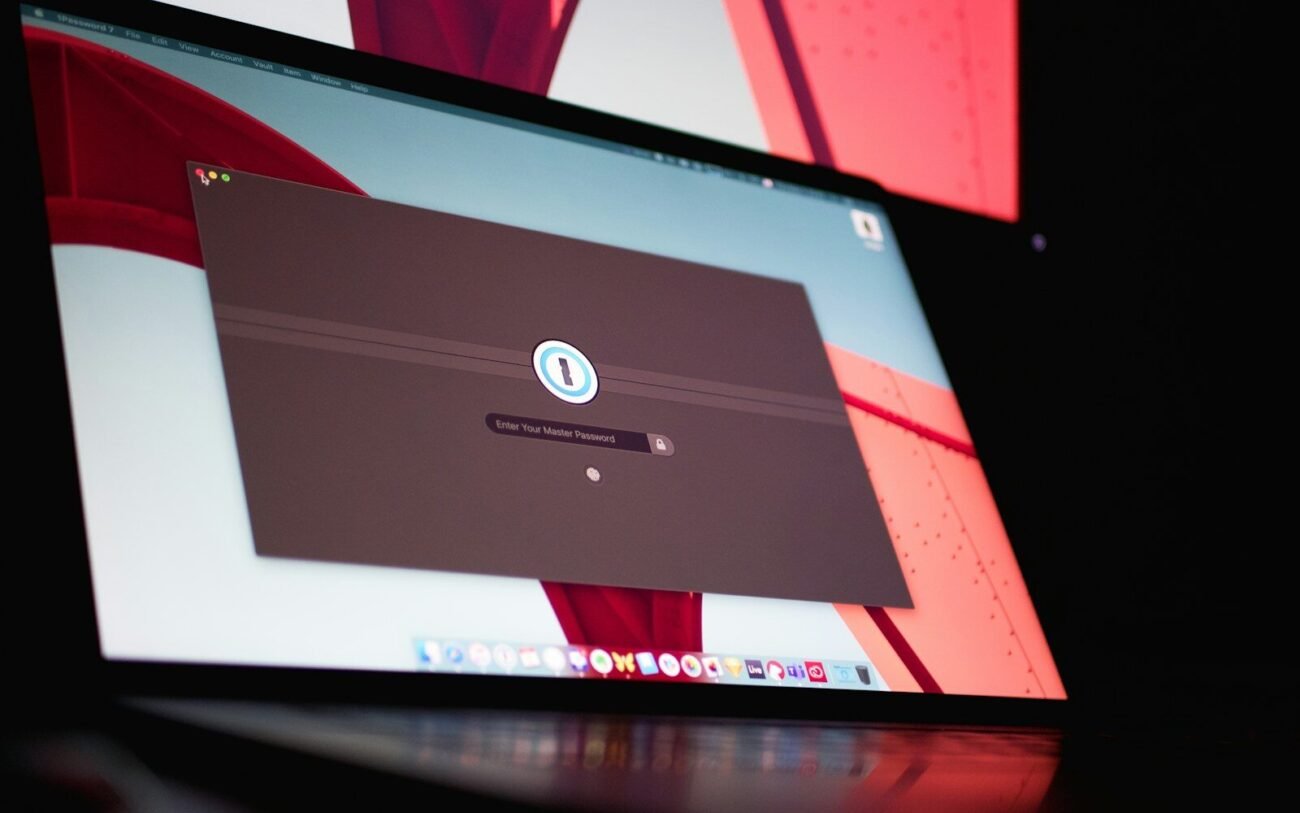
When it comes to securing our digital lives, choosing the right password manager is a crucial decision. With data breaches making headlines and the number of online accounts growing each year, relying on strong, unique passwords for every platform is more important than ever. This need has brought password managers into the spotlight, but there’s a significant choice to make: should you trust a cloud-based password manager or stick to a local one? Understanding the differences between cloud and local password managers can help you make the best decision for your privacy and security needs.
What Are Password Managers?
A password manager is a tool designed to store and manage your online credentials securely. Instead of remembering dozens or even hundreds of unique passwords, you only need to remember a single master password. The password manager handles generating, autofilling, and securing the rest. There are two main types: cloud-based (online) and local (offline) password managers.
How Cloud-Based Password Managers Work
Cloud-based password managers store your encrypted vault of login credentials on remote servers. Popular options like LastPass, 1Password, and Bitwarden make your information accessible from anywhere using an internet connection. Encryption occurs on your device, and only encrypted data is sent to the cloud. Users can easily access their passwords across multiple devices—phones, tablets, and computers—with seamless synchronization.
Advantages of Cloud Password Managers
– Convenience across devices: You can access your stored passwords from any device, automatically syncing updates as you make changes.
– Backup and recovery: If you lose your device, you don’t lose access to your passwords—they can be restored from the cloud.
– Collaboration features: Many services offer secure sharing options, making it easier to manage shared accounts within families or teams.
– Regular updates and support: Cloud-based solutions generally receive more frequent updates and customer support options.
Potential Drawbacks
– Greater exposure to breaches: While data is encrypted, a potential breach at the provider’s end may put your encrypted vault at risk.
– Reliance on provider’s security: Trust in the company’s technology, security protocols, and business practices is essential.
– Needs internet access: Full functionality, especially syncing, relies on an internet connection.
How Local Password Managers Operate
Local password managers keep your credential vault stored on your own device, typically in an encrypted file. Tools like KeePassXC or Enpass allow you to keep complete control over your data because it never leaves your device unless you manually export or synchronize it.
Benefits of Local Password Managers
– Full control over data: No third party can access your vault; you decide where and how to store your encrypted file.
– No ongoing subscriptions required: Many local solutions are open source and free, or they come with a small one-time fee.
– Minimal attack surface: With no remote storage, your data is less exposed to large-scale breaches.
Limitations of Local Solutions
– Manual syncing required: To use passwords across several devices, you must set up manual syncing methods (like using USB drives or local network shares).
– Risk of data loss: Without backups, losing your device or experiencing hardware failure could mean losing your entire password archive.
– Less convenient sharing: Securely sharing credentials across users or devices is more complicated than with most cloud-based options.
Security Considerations
When comparing cloud and local password managers, security is often the top priority. Cloud-based services use robust encryption methods and zero-knowledge architecture, meaning providers can’t read your data even if servers are compromised. However, because they are higher-value targets, they may be more frequently attacked.
Local password managers reduce the risk of large-scale remote breaches but can still be vulnerable to malware on your device or to physical theft. Keeping up with updates and maintaining strong security practices on your device is essential for both types.
Which Password Manager Should You Choose?
Deciding between cloud and local password managers largely depends on your usage habits, technical expertise, and comfort level with storing data either remotely or physically. If you value convenience, device sync, and easy recovery, a reputable cloud solution is likely best. Those who prefer complete control, have heightened privacy concerns, or have advanced technical knowledge might lean toward a local password manager.
Ultimately, both types offer significant improvements over trying to remember or write down passwords. Whichever type you choose, adopting a password manager is one of the best steps you can take to bolster your online security and streamline your digital life.