
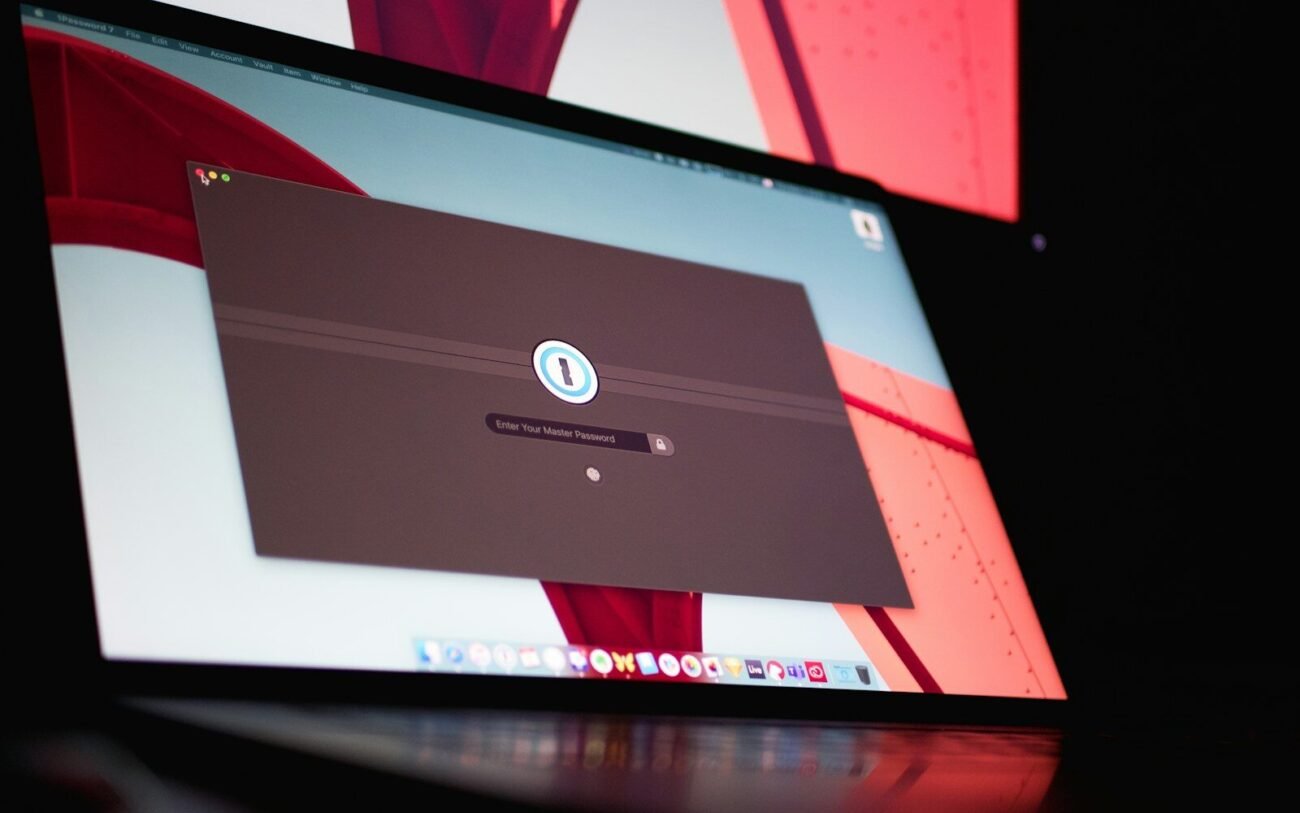
In today’s digital environment, securing personal information is more critical than ever. As data breaches become increasingly common, many individuals and businesses are turning to password managers to streamline online security. A password manager helps users generate, store, and automatically fill complex passwords for various accounts, but a crucial question remains: how safe are these tools?
Understanding Password Managers
Password managers are software applications designed to create and store strong, unique passwords for each of your online accounts. They offer a secure vault, accessible via a master password, that houses all your login credentials. These tools reduce the risk of using weak or repeat passwords, a common vulnerability exploited in cyber attacks.
There are two main types of password managers: cloud-based and locally-stored. Cloud-based solutions sync your data across devices via encrypted servers, while local options keep data on a single device. Leading password managers often employ zero-knowledge encryption, meaning they have no access to your stored passwords—only the user holds the decryption key, which is typically your master password.
The Security Benefits of Password Managers
Strong Password Generation
One significant benefit is the ability to generate complex passwords that are difficult to guess or crack. Since users don’t have to remember each password, they can set long, random combinations that drastically reduce the risk of brute force attacks.
Centralized Management
Managing dozens of passwords manually—especially for work and personal accounts—can easily become overwhelming and lead to poor practices, such as reusing passwords or writing them down. A password manager provides a central platform, minimizing the temptation toward risky habits while maintaining high security standards across accounts.
Secure Sharing Features
Many modern password managers allow secure sharing of credentials with trusted individuals without revealing the actual password. This feature is especially useful for families or teams, as it eliminates the need for insecure communication channels like emails or texts when sharing login information.
Evaluating the Risks Involved
Despite their numerous advantages, it’s natural to wonder if password managers themselves could become a target for hackers. After all, storing all your passwords in one place may sound risky.
Potential Vulnerabilities
Password managers, like any software, are not impervious to vulnerabilities. If the software has bugs or if servers are compromised, there is a potential for user data to be at risk. However, reputable password managers undergo rigorous security audits and implement layers of protection such as multi-factor authentication (MFA), biometric logins, and strong encryption protocols.
The Importance of the Master Password
The security of a password manager largely depends on the strength of the user’s master password. If this password is weak, lost, or stolen, it could lead to serious consequences. That’s why experts recommend creating a long, unique master password and enabling two-factor authentication wherever available.
Cloud vs. Local Storage Considerations
Some users are concerned about cloud-stored password managers, fearing remote breaches. While cloud-based options do introduce some risk due to internet accessibility, they typically offer state-of-the-art encryption to safeguard data. Locally stored password managers can be more secure against remote attacks but pose risks if the device is lost, stolen, or damaged.
Security Practices for Users
Maximizing the safety of a password manager involves a combination of good practices:
– Choose reputable software: Opt for well-reviewed, industry-recognized password managers that regularly undergo security audits.
– Use a strong master password: Create a long, memorable passphrase that isn’t used anywhere else.
– Enable multi-factor authentication: MFA adds a critical second layer of defense.
– Keep software up-to-date: Regularly updating your password manager ensures you benefit from the latest security patches.
– Be mindful of phishing attacks: Even with a password manager, never enter your credentials on suspicious websites or links.
The Verdict: Are Password Managers Worth the Trust?
Password managers, when used correctly, significantly elevate your online security posture. No system is entirely immune to threats, but the risk of using weak or reused passwords far outweighs the relatively minor risks posed by well-designed password managers. By entrusting your credentials to such tools—and adopting recommended security practices—you gain peace of mind and maintain robust protection across your digital life.
Ultimately, password managers are a safe and effective way to manage your growing collection of accounts, provided you remain diligent with your master password and take advantage of modern security features they offer. For most users, embracing a password manager is a smart decision in the ongoing effort to stay secure online.