
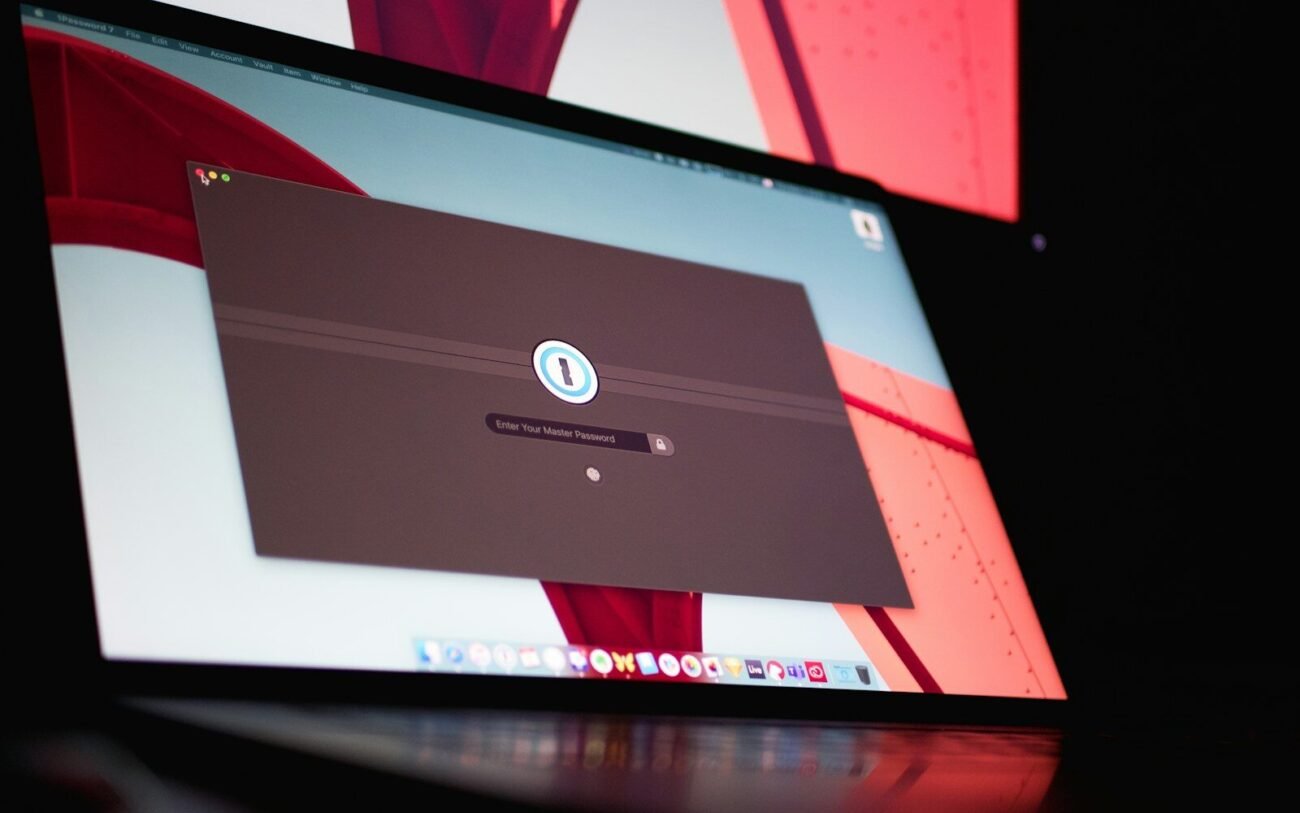
In today’s increasingly digital world, keeping your online accounts secure is more important than ever. With the average person juggling dozens of usernames and passwords, the temptation to reuse simple, easy-to-remember passwords is strong—unfortunately, this also makes it easy for cybercriminals to gain access to sensitive information. That’s where password managers come in. These smart tools help safeguard your digital presence by storing, generating, and even auto-filling complex passwords, making it much harder for hackers to breach your accounts.
Why Password Security Is a Growing Concern
As our lives become more intertwined with digital services—from online banking and shopping to social media and cloud storage—the risks associated with weak passwords grow exponentially. Data breaches are commonplace, and attackers often rely on stolen credentials to commit further fraud or identity theft. Reusing passwords or relying on predictable options only increases your vulnerability.
Relying on a notebook, browser autofill, or your own memory isn’t just inconvenient; it can be risky. That’s why many security experts recommend using a password manager for online account protection. But just how do these tools keep your information safe?
How Password Managers Work
Password managers are applications or browser extensions designed to handle all your passwords in one secure vault. When you sign up for a service or change your password, these managers can create a strong, unique password and remember it for you. The only thing you need to remember is one master password to access your vault.
Most reputable password managers use top-tier encryption protocols such as AES-256, which is the same level of security used by banks and government agencies. This means that even if your password vault were compromised, the data would be unreadable without your master key.
Secure Storage and Encryption
One of the core features of password managers is the way they store information. Rather than saving your login credentials in plain text or on local devices without protection, these managers encrypt all stored data. This encryption ensures that only the person with the correct master password can unlock and view the information.
End-to-end encryption is standard in leading password managers. Your passwords are encrypted on your device before being transmitted to the password manager’s servers, ensuring that not even the service provider can see your credentials.
Password Generation and Auto-Fill
Another significant benefit is the convenience and security of password generation. A password manager can generate random, complex passwords that are nearly impossible to guess or crack using brute force methods. This function encourages users to create unique passwords for each online account, significantly reducing the risk that a breach in one account could compromise others.
Auto-fill is a feature that securely fills in your credentials on login pages, saving time and avoiding potential mistakes. This not only streamlines logins but also helps prevent phishing attacks by ensuring you don’t accidentally enter your credentials on a fraudulent website—a common cybercrime tactic.
Additional Security Features
Modern password managers offer more than just password storage. Many incorporate extra tools to further secure your online life:
– Two-factor authentication (2FA): This protects your vault with an extra verification step, making unauthorized access far more difficult.
– Password breach alerts: Some managers monitor the web for leaked credentials and alert you if your details might be exposed.
– Secure notes: You can store sensitive information securely, such as PIN numbers or recovery phrases.
These features help keep not only your online accounts but also other types of sensitive information protected from prying eyes.
Best Practices for Using a Password Manager
To get the most out of your password manager, follow these best practices:
1. Choose a reputable service with strong encryption and a solid track record.
2. Create a strong master password—this is the key to your entire vault, so make it complex and unique.
3. Enable two-factor authentication whenever possible.
4. Keep your software up to date to benefit from the latest security improvements.
By following these steps, you greatly increase your overall online security.
Strengthening Your Digital Defense
Password managers have become essential tools for anyone concerned about online security. They eliminate the weakest link—human error—by automating the creation, storage, and use of strong, unique passwords for every account. With robust encryption and helpful features, these tools act as digital gatekeepers, keeping hackers at bay and ensuring your sensitive data stays secure. Embracing a password manager is a critical step toward better protecting yourself online in an age of ever-evolving cyber threats.